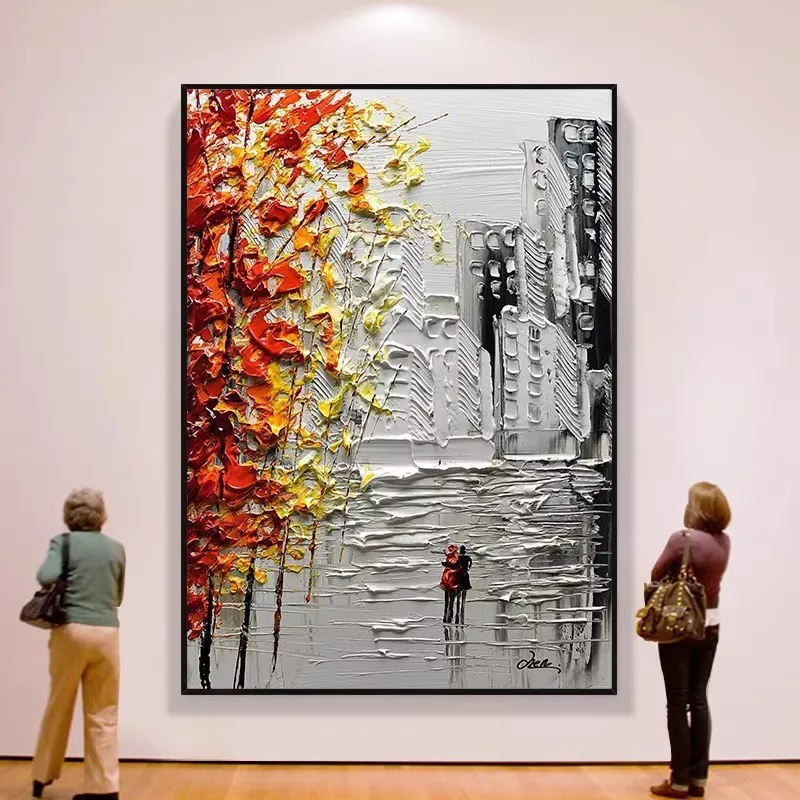
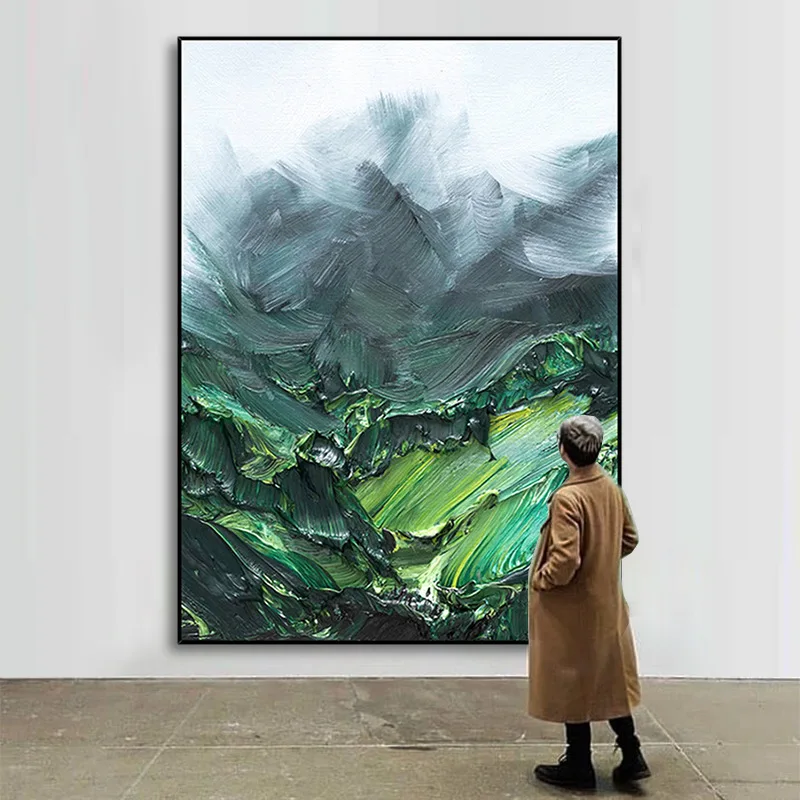
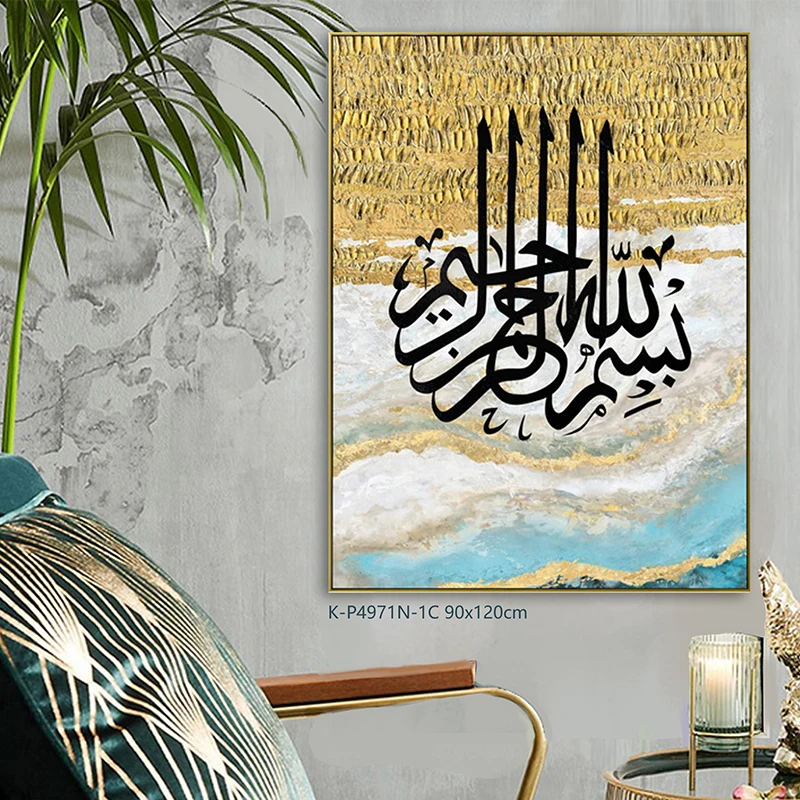
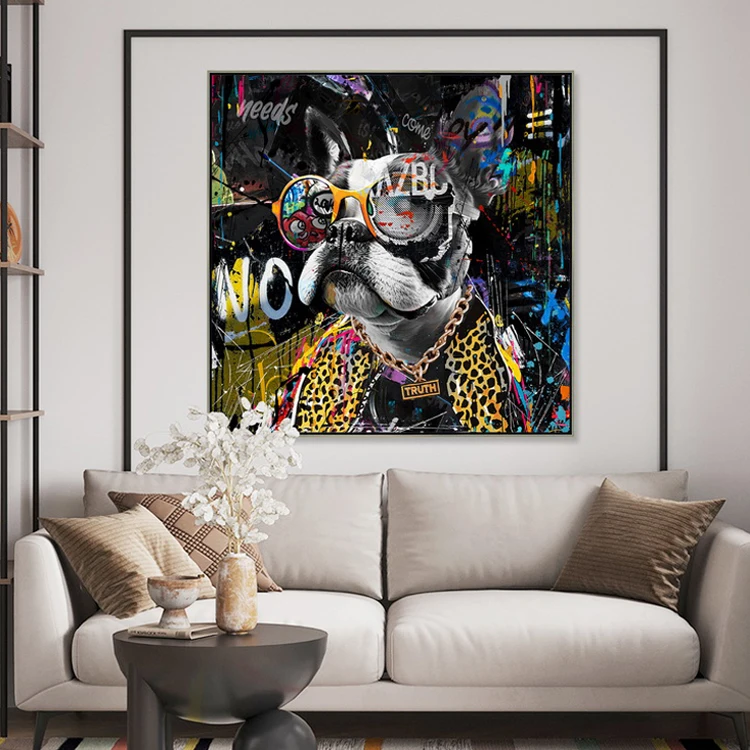
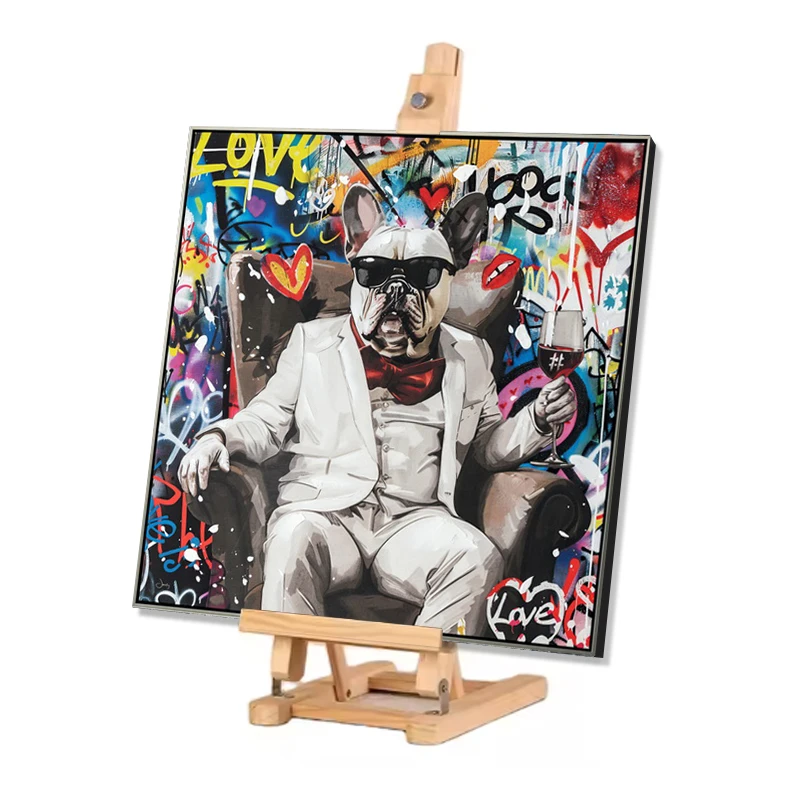
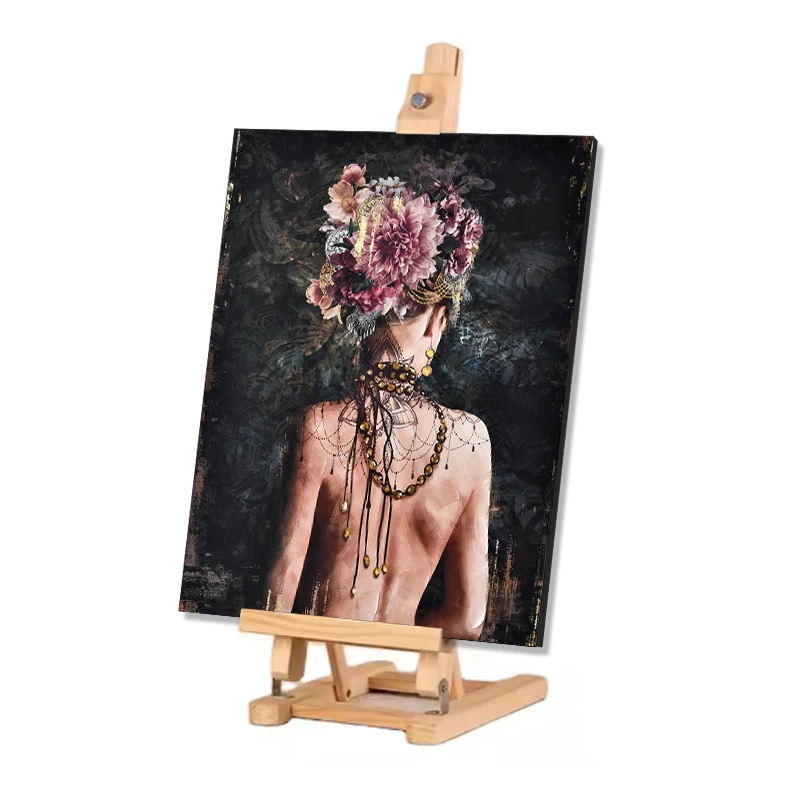
För företag som köper väggkonst, oljemålningar eller anpassad kommersiell konst i storpack
Att välja en pålitlig konstleverantör verkar enkelt—tills du själv ansvarar för upphandlingen. Priset ensamt kan inte avgöra vilken långsiktig partner som är bäst, och vackert iscensatta produktfoton visar ofta bara en del av sanningen. Det som verkligen skiljer en pålitlig leverantör av oljemålningar eller tillverkare av väggkonst från en genomsnittlig är en samling av praktiker: kvalitetskontroll, materialstandarder, transparens i arbetsflödet och konsekvens i stor skala.
Nedan följer en förfinad, fälttestad checklista utformad för professionella köpare, inredningsentreprenörer, hotellkedjor, kommersiella dekoratörer och B2B-inköpschefer som behöver konstverk som presterar väl i verkliga miljöer – inte bara i en broschyr.
Den första filtret för att utvärdera leverantörsqualitet är alltid materialintegritet. Även om två konstverk ser lika ut online kan underliggande material skilja sig dramatiskt.
Vad som ska undersökas:
Duktyp: bombull, lin, bomull-polyesterblandningar; trådräkning; kappsäkerhet.
Primerns kvalitet: huruvida gessobeklädnaden är jämn, slät och ordentligt härdat.
Färgformulering: pigmentbelastning, bindningsmedlets renhet, motståndskraft mot gulnande; olja kontra akryl för olika tillämpningar.
Tryckteknik (för duktryck): giclée kontra standard bläckstråle; färgomfång; beständighetsklassning mot blekning.
Ett praktiskt perspektiv från samarbete med kommersiella köpare: en leverantör som vill förklara varför de väljer en viss dukväv eller pigmentmärke har ofta starkare interna standarder. De som skyndar sig igenom denna fråga har oftast inte det.
Ett utmärkt prov garanterar inte stabil produktion. Sann konstleverantörs kvalitet visar sig när du jämför fem, tio eller femtio stycken från samma order.
Indikatorer på konsekvent hantverk:
Enhetlig penseldragstextur eller digital tryckmättnad
Identisk färgtemperatur över flera exemplar
Samstämmig spänning vid påspänning på varje dukram
Ingen vridning eller lösa kanter
Kommersiella inredningar – särskilt hotell och kontorslokaler – kräver att hela kollektioner känns sammanhängande. Det är just här som lägre kvalitetsleverantörer misslyckas.
Du bör se belägg för att leverantörens kvalitetskontroll är strukturerad, inte improviserad.
Begär information såsom:
Deras granskningsetapper: råmaterial → mittenproduktion → färdigställande → förpackning
Om de lämnar felrapporter
Hur de hanterar avvisade artiklar
Om de fotograferar partiexempel innan leverans
Fabriker som kan producera kvalitetskontrolldokumentation tenderar att vara mer systematiska. Det är också ett starkt tecken på att de hanterar större partihandelsorder utan kaos.
Färg är en av de största problemen inom väggkonstsourcing . Belysning, skärmar och pigment orsakar variationer som kan störa ditt projekts designkoncept.
Bättre leverantörer kommer att:
Tillhandahålla färgkalibrerade förhandsvisningar
Underhålla skärmarnas ICC-standarder
Erbjud testutskrifter eller små prov
Förklara deras arbetsflöde för pigment- och palettstabilisering
Från personlig erfarenhet av att utvärdera flera konstfabriker: leverantörer som investerar i färgstyrning presterar oftast bättre även inom alla andra kategorier.
Många företag fokuserar på konstverket i sig men underskattar ingenjörsarbetet kring det.
Titta noga på:
Fuktnivå i träram (under 12 % är idealiskt för att undvika vridning)
Sammanfogningens hållfasthet och justering
Hammarmönster och dukspänning
Valfria uppgraderingar såsom gallery wrap, svävande ram eller aluminiumram
Bra strukturellt arbete lockar sällan till sig uppmärksamhet – men dåligt strukturellt arbete blir alltid ett klagomål.
Skador under transport är en av de mest förebyggbara formerna av slöseri inom grossistväggkonst branschen.
Leverantörer med mogen logistik använder:
Hörnskydd + skumsvävning + dubbelskiviga kartonger
Fukthindrande inskikt
Förpackning verifierad genom falltest
Individuell eller partipackad förpackning beroende på ordertyp
En leverantörs förpackning avslöjar ofta hur allvarligt de tar kundens varumärke.
För företag och hotellbranschens inköp är efterlevnad inte frivillig.
Vanliga dokument inkluderar:
MSDS / materialskyddsblad
FSC-certifikat för träramar
Bekräftelser på bly- och VOC-fria material
Brandmotståndsklassningar för kommersiella lokaler
En professionell leverantör av oljemålningar eller canvas art factory bör lämna fram dessa utan tvekan.
Även utmärkt produktion betyder lite om en leverantör inte kan kommunicera tydligt eller lösa problem professionellt.
Pålitliga leverantörer:
Svarar direkt på tekniska frågor
Ger realistiska tidsramar, inte smickrande sådana
Erbjuder tydliga lösningar för fel eller transportskador
Upprätthåller spårbarhet för varje order
Ibland säger sättet som en leverantör svarar på en svår fråga mer än tio perfekta prov.
Om ett besök inte är möjligt är nästa bästa alternativ transparens via video.
Du bör förvänta dig att se:
Produktionslinjer
Materiallagringsmiljöer
Kontrollstationer
Rammnings- och sträckningsavdelningar
Förpackningsprocesser
Fabriker som undviker att visa sin verkstad har oftast en anledning.
Detta är ditt sista valideringssteg. En liten men mångsidig pilotorder kan avslöja:
Reell leveranstid
Kvalitetsstabilitet
Responsivitet
Förpackningens hållbarhet
Konsekvens i reproduktioner
En leverantör som tar pilotbeställningar på allvar är mer benägen att förbli tillförlitlig för långsiktiga grossistpartnerskap.
Efter år av iakttagelser av upphandlingsmönster inom konstbranschen dyker en slutsats ständigt upp:
Leverantörskvalitet bestäms sällan av en enskild faktor – det är summan av små, disciplinerade rutiner som upprepas över tid.
Denna checklista handlar inte bara om att utvärdera konstverk; den handlar om att bedöma kulturen hos den leverantör som står bakom. Företag som tillämpar en strukturerad utvärderingsmetod säkrar konsekvent bättre långsiktiga partners, färre överraskningar i produktionen och mycket högre kundnöjdhet i sina projekt.
 Senaste nyheterna
2025-10-20
2025-09-08
2025-09-01
2025-02-01

Upptäck Free Cloud Arts, där konst är mer än bara visuella bilder – det är en emotionell resa. Våra innovativa designer och unika koncept bringar något annorlunda till konsvärlden. Utforska våra samlingar av 100% handgjorda målningar, tygskrivningar och lagerade glaskonster med matglas.
Nr 2980, Zhufeng Road Söder, Doumen Distrikt, Zhuhai, Guangdong, Kina, 519170
Upphovsrätt © 2026 China Zhuhai Free Cloud Arts Co., Ltd. Alla rättigheter förbehållna. Integritetspolicy;
 EN
EN