Yêu cầu về tranh dầu bán buôn đã tăng trưởng ổn định khi các khách sạn, văn phòng, nhà phát triển bất động sản thương mại và các studio thiết kế nội thất tìm kiếm những tác phẩm nghệ thuật giúp nâng tầm không gian của họ mà không làm vượt ngân sách. Tuy nhiên, nhiều đội ngũ mua sắm vẫn cảm thấy quy trình này khá rối rắm—đặc biệt là khi cần cân bằng giữa chi phí, chất lượng, mức độ tùy chỉnh và độ tin cậy của nhà cung cấp. Sau nhiều năm quan sát cách thức hoạt động thực tế của việc tìm nguồn nghệ thuật B2B, tôi nhận ra rằng việc mua sắm thành công phụ thuộc vào một phương pháp tiếp cận có cấu trúc nhưng vẫn linh hoạt.
Hướng dẫn này phân tích từng giai đoạn trong việc lựa chọn, đánh giá và mua tranh dầu số lượng lớn để khoản đầu tư của bạn đáp ứng cả nhu cầu thẩm mỹ lẫn chức năng của dự án.
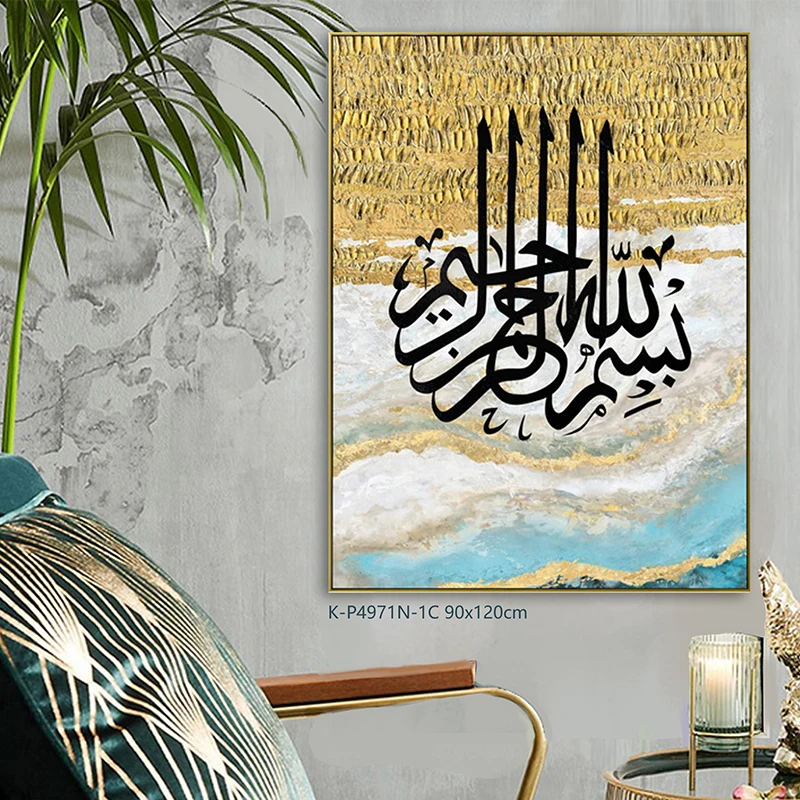
Không phải tất cả các bức tranh dầu bán buôn đều giống nhau. Một số nhà cung cấp cung cấp các tác phẩm được vẽ thủ công; những nhà cung cấp khác bán bản sao có kết cấu; một vài nơi vận hành dây chuyền sản xuất kết hợp giữa nghệ sĩ tại xưởng và kỹ thuật vẽ nền kỹ thuật số.
Trước khi bắt đầu mua hàng, hãy làm rõ danh mục nào phù hợp với dự án của bạn:
Tranh dầu hoàn toàn vẽ thủ công:
Phù hợp nhất cho khách sạn boutique, văn phòng cao cấp và các dự án yêu cầu tính xác thực.
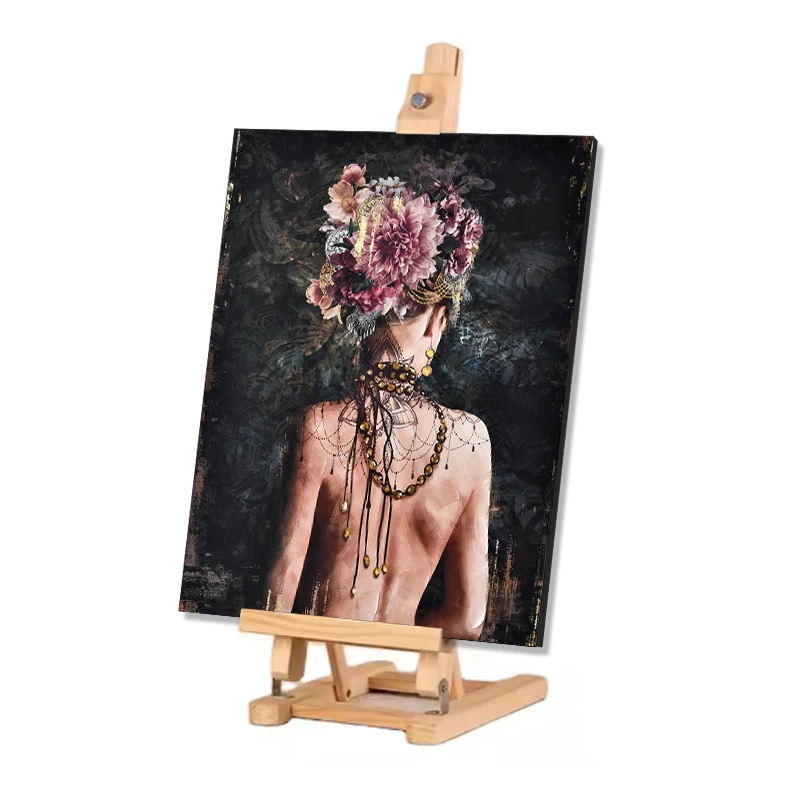
Tranh bán thủ công (nền kỹ thuật số + các lớp vẽ thủ công):
Lý tưởng cho các đơn hàng số lượng lớn với ngân sách hạn chế.
Tranh in trên vải canvas (không phải tranh dầu thật):
Phù hợp cho các dự án quy mô cực lớn nhưng thiếu chiều sâu như tranh dầu thực sự.
Hiểu rõ bối cảnh này sẽ tránh được sự kỳ vọng không đúng sau này—một vấn đề phổ biến trong việc tìm nguồn cung nghệ thuật B2B.
Các nhà mua doanh nghiệp thường bỏ qua bước này, nhưng phân tích môi trường ảnh hưởng đến mọi thứ: kích cỡ, vật liệu, phong cách và độ bền.
Hãy đặt các câu hỏi sau:
Những bức tranh này sẽ được trưng bày ở đâu?
(phòng khách, hành lang, sảnh văn phòng, khu vực ăn uống, phòng hội nghị)
Tác phẩm nghệ thuật nên gợi lên cảm xúc gì?
Sự bình yên? Sự uy tín? Sáng tạo? Năng lượng?
Tác phẩm nghệ thuật có bị ánh nắng trực tiếp hoặc độ ẩm chiếu vào không?
Điều này quyết định loại vecni và độ bền của vải bố.
Ví dụ, khách sạn ưu tiên sự ấm áp về mặt câu chuyện và sự thoải mái về bầu không khí, trong khi các công ty công nghệ thường chọn tranh trừu tượng sắc nét hoặc tranh dầu hình học có cấu trúc thể hiện sự đổi mới.
Một sản phẩm đáng tin cậy nhà cung cấp tranh dầu số lượng lớn là nền tảng của toàn bộ quy trình. Thay vì chỉ tập trung vào giá cả, hãy đánh giá nhà cung cấp trên nhiều khía cạnh:
Yêu cầu mẫu tranh vẽ tay. Quan sát độ nhất quán trong kỹ thuật vẽ, chiều sâu lớp sơn và độ trung thực màu sắc.
Họ có thể giao 200, 500 hoặc 1.000 bức tranh đúng lịch trình không?
Họ có vận hành một đội ngũ xưởng vẽ thay vì chỉ một hoặc hai freelancer không?
Người mua B2B thường yêu cầu:
Điều chỉnh kích thước
Loạt chủ đề
Bảng màu cá nhân hóa
Thiết kế đa bảng
Sao chép theo tài liệu tham chiếu được cung cấp
Một nhà cung cấp tốt có thể xử lý việc tùy chỉnh một cách hiệu quả.
Hỏi về:
Thời gian khô từng lớp
Kỹ thuật căng vải vẽ
Cấu trúc khung
Lớp bảo vệ vecni cuối cùng
Những yếu tố này quyết định thời gian tồn tại của các bức tranh trong môi trường thương mại.
Các đội mua sắm không cần phải là chuyên gia về tranh sơn dầu – nhưng họ cần một danh sách kiểm tra đánh giá thực tế.
Tranh sơn dầu thật thể hiện chiều sâu lớp lang và sự biến đổi đường nét cọ vẽ.
Bề mặt phẳng = tranh in trên vải canvas, không phải tranh sơn dầu vẽ tay.
So sánh các mẫu dưới ánh sáng ban ngày và ánh sáng ấm ; việc kiểm soát màu sắc kém thường thể hiện rõ trong nhà.
Tìm kiếm:
Căng chặt
Không nhăn
Khung gỗ đã qua xử lý sấy lò chắc chắn
Các cạnh sạch
Các không gian thương mại cần lớp bảo vệ vecni để chống lại bụi, độ ẩm và hóa chất vệ sinh.
Giá cả thay đổi dựa trên:
Kích thước tranh
Mức độ vẽ tay
Trình độ kỹ năng của họa sĩ
Số lượng đặt hàng
Kiểu khung
Thiết kế theo yêu cầu hay không theo yêu cầu
Các đơn hàng bán buôn thường tuân theo cấu trúc phân cấp:
| Khối lượng đơn hàng | Phạm vi chiết khấu dự kiến |
|---|---|
| 10–50 cái | 5%–10% |
| 50–200 cái | 10%–20% |
| 200–1000+ cái | 20%–40% (tùy thuộc vào độ phức tạp) |
Một người mua chiến lược cân bằng giữa nhu cầu về chi tiết và nhu cầu về quy mô.
Các khách sạn, nhà phát triển văn phòng và công ty trang trí bất động sản ngày càng phụ thuộc vào tranh sơn dầu được vẽ riêng theo yêu cầu để củng cố nhận diện thương hiệu.
Tùy chỉnh có thể bao gồm:
Bảng màu cụ thể phù hợp với thiết kế nội thất
Loạt tranh theo chủ đề (thiên nhiên, đô thị, chủ nghĩa tối giản trừu tượng)
Tranh cỡ lớn tạo điểm nhấn cho sảnh
Bộ sưu tập đồng bộ cho phòng khách
Một nhà cung cấp mạnh có thể điều chỉnh tranh phù hợp với bảng phối cảnh kiến trúc—điều mà các nhà bán danh mục hàng hóa thông thường không thể làm được.
Tranh dầu số lượng lớn đòi hỏi phải lên kế hoạch cẩn thận:
Tranh vẽ tay thường cần 3–6 tuần , tùy thuộc vào thời gian khô và kích thước đơn hàng.
Tìm kiếm:
Tấm bảo vệ góc chống va đập
Các lớp bọc xốp khí
Bịt kín chống ẩm
Thùng carton chắc chắn hoặc kiện gỗ để vận chuyển đường dài
Đóng gói kém có thể phá hủy ngay lập tức cả tuần lao động nghệ thuật.
Tác phẩm nghệ thuật giá rẻ thường có nghĩa là lớp sơn mỏng, chất lượng vải bố kém hoặc tay nghề không đồng đều.
Hình ảnh kỹ thuật số hiếm khi thể hiện đúng kết cấu thực tế.
Các bức tranh lớn cần thiết bị treo phù hợp và đánh giá khả năng chịu tải của tường.
Tác phẩm nghệ thuật xung đột với không gian sẽ không bao giờ trông cao cấp—ngay cả khi nó được vẽ tay.
Theo thời gian, tôi ngày càng xem việc mua sắm tác phẩm nghệ thuật không chỉ là một nhiệm vụ mua hàng mà là một quá trình thiết kế hợp tác. Khi các đội mua hàng, nhà thiết kế nội thất và nhà cung cấp giao tiếp hiệu quả, tranh dầu bán buôn có thể chuyển đổi không gian thương mại bằng sự chân thực, kết cấu và sự ấm áp về mặt cảm xúc.
Tác phẩm nghệ thuật phù hợp sẽ làm sâu sắc thêm bầu không khí của một căn phòng; nhà cung cấp phù hợp đảm bảo tầm nhìn được nhân rộng một cách trơn tru trên hàng trăm tác phẩm.
 Tin nóng
2025-10-20
2025-09-08
2025-09-01
2025-02-01

Khám phá Free Cloud Arts, nơi nghệ thuật không chỉ đơn thuần là hình ảnh mà còn là một hành trình cảm xúc. Các thiết kế sáng tạo và khái niệm độc đáo của chúng tôi mang đến điều khác biệt cho thế giới nghệ thuật. Hãy khám phá bộ sưu tập tranh vẽ tay 100%, tranh in trên vải canvas và tác phẩm nghệ thuật kính mat nhiều lớp của chúng tôi.
Số 2980, Đường Zhufeng Nam, Quận Doumen, Thành phố Zhuhai, Tỉnh Quảng Đông, Trung Quốc, 519170
Bản quyền © 2026 thuộc về Công ty TNHH Nghệ thuật Cloud Zhuhai Trung Quốc. Bảo lưu mọi quyền. Chính sách Bảo mật;
 EN
EN