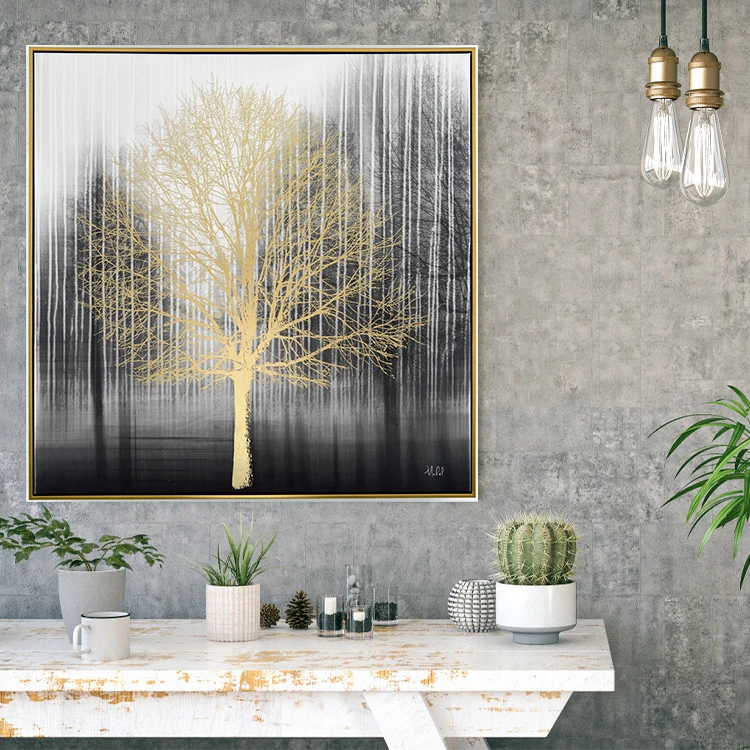
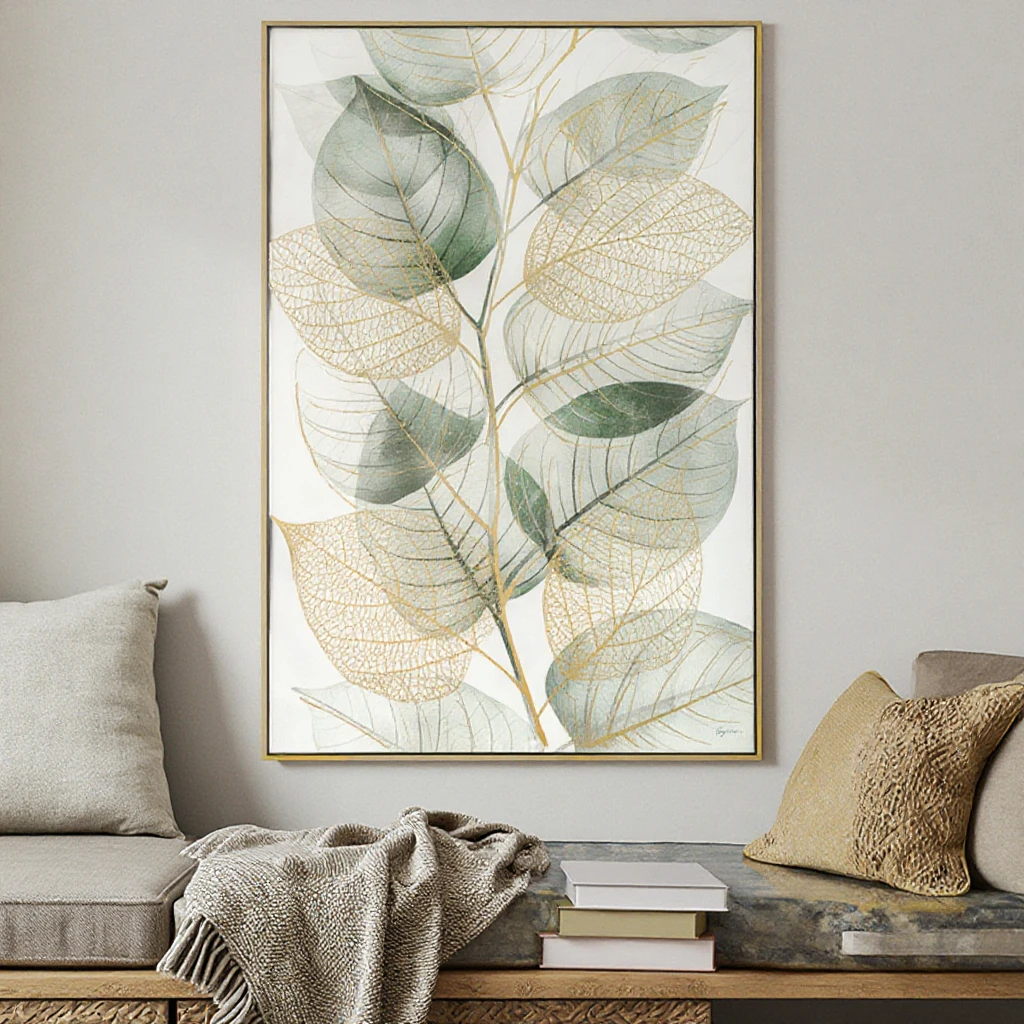
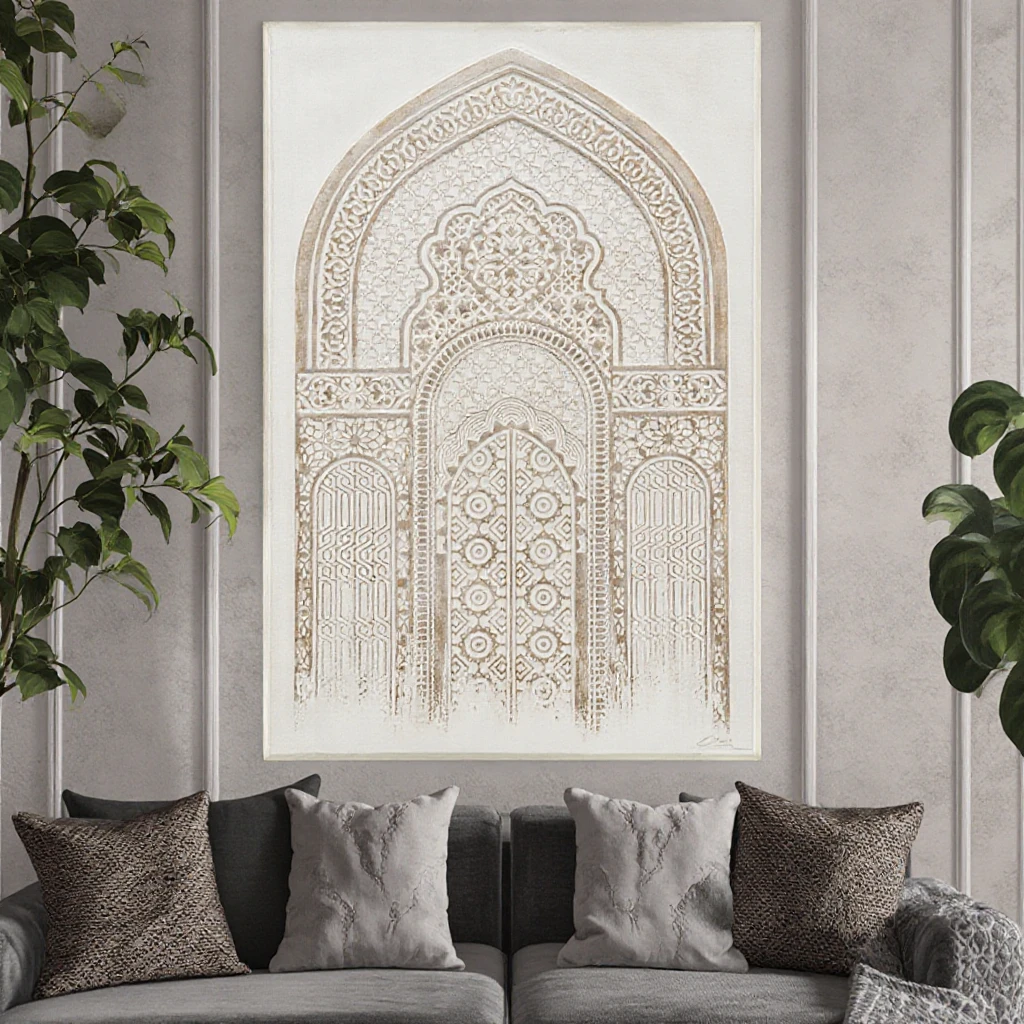
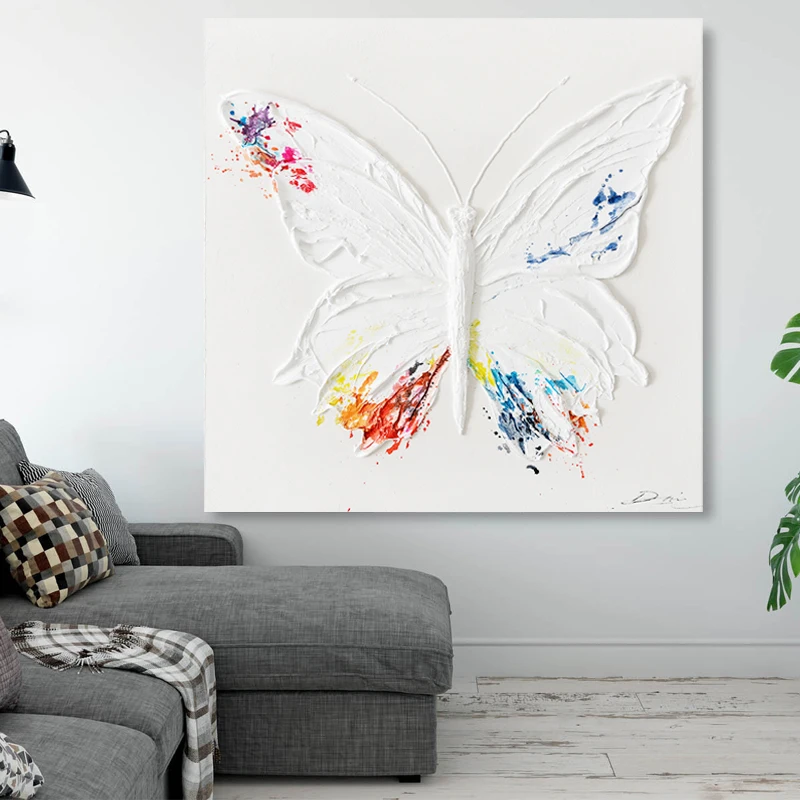
For premium hotels, every design element communicates value. Flooring, lighting, furniture — and especially art — shape how guests perceive the brand from the moment they walk in. While prints remain popular for budget-focused properties, more upscale hotels are moving back to hand-painted oil artwork.
Why? Because original oil paintings deliver emotional impact, longevity, and brand differentiation that prints simply cannot match.
Below is a professional comparison designed for procurement teams and interior designers evaluating large-scale projects.
Oil paintings are original works of art.
Each brushstroke reflects human craftsmanship, adding depth and presence that guests instinctively perceive as “real.”
Prints, even high-quality giclée, are reproductions.
They can look flat and predictable — especially when repeated across multiple rooms.
👉 In premium environments, authenticity helps justify room rates and strengthens brand storytelling.
Guests remember unique artwork. They forget printed posters.
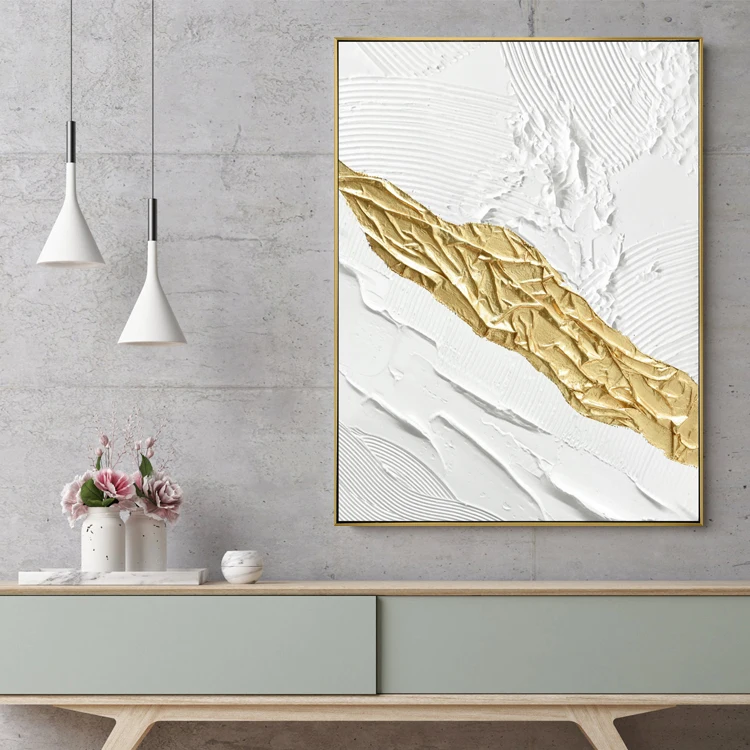
Oil paints build up layer by layer. The result:
dimensional surfaces
subtle shadows
rich, saturated color fields
tactile depth you can see even from across a room
Prints, by contrast, sit on a single plane. No matter the frame, the visual experience is static.
In lobby spaces, presidential suites, and executive lounges, texture is what separates “decor” from “art.”
Well-produced oil paintings are built to last decades — even centuries — when varnished and cared for properly.
They resist:
fading from light exposure
peeling inks
discoloration from humidity (when properly framed)
High-traffic hotel environments eventually expose weaknesses in prints:
ink fade
surface scratches
paper warping
noticeable wear near HVAC airflow
Hotels often replace prints every 3–5 years. Quality oils can remain part of the property’s visual identity for ten years or more — reducing replacement cycles and procurement workload.
Luxury brands win by being memorable.
Oil paintings allow for:
custom color palettes aligned with interiors
artwork created specifically for a region, theme, or story
variations of the same composition (perfect for corridors or guest floors)
cohesive yet unique visual journeys across the property
Prints tend to repeat. Guests moving from room to room notice duplication, which feels standardized — not premium.
Art influences emotional experience.
Original paintings subconsciously communicate:
craftsmanship
exclusivity
investment in guest comfort
This strengthens brand positioning — especially in:
boutique luxury hotels
resort destinations
high-end business hotels
design-led lifestyle brands
Prints signal efficiency and mass production. Suitable for economy categories — but less aligned with premium positioning where guests expect thoughtful curation.
Professional suppliers can tailor oil paintings around:
exact wall size requirements
architectural features
theme-driven collections
fire-retardant materials where required
frame integration
They can even recreate mood boards based on the designer’s concept — something prints struggle to achieve without looking generic.
High-quality oil paintings have longer lifespans and require fewer replacements. Over time, this results in:
less waste
fewer shipments
reduced production resources
When combined with sustainable canvases and eco-friendly packaging, oils align well with hospitality ESG strategies — especially compared with disposable wall prints.
Unlike prints, which depreciate to zero, hand-painted art can retain — and sometimes increase — in value.
Hotels benefit through:
asset-backed decor investments
potential repositioning or re-use during renovations
long-term brand heritage collections
This turns art from a consumable item into a tangible property asset.
Prints have their place, particularly for:
budget hotels
temporary displays
back-of-house areas
large corridor runs where budget dominates
However, for premium guest-facing spaces, they rarely deliver the emotional or brand impact oil paintings achieve.
For luxury hotels, wall art is not just decoration — it is a brand asset.
Oil paintings provide:
✔ authentic craftsmanship
✔ visual texture and depth
✔ long-term durability
✔ custom storytelling
✔ higher perceived value
If you are planning a hospitality project, consider using prints strategically — but place oil paintings where perception matters most: entryways, suites, restaurants, lobbies, and lounges.
 Hot News
2025-10-20
2025-09-08
2025-09-01
2025-02-01

Discover Free Cloud Arts, where art is more than just visuals—it's an emotional journey. Our innovative designs and unique concepts bring something different to the world of art. Explore our collections of 100% handmade paintings, canvas prints, and layered mat glass art.
No. 2980, Zhufeng Road South, Doumen District, Zhuhai, Guangdong, China, 519170
Copyright © 2026 China Zhuhai Free Cloud Arts Co., Ltd. All rights reserved. Privacy Policy;
 EN
EN