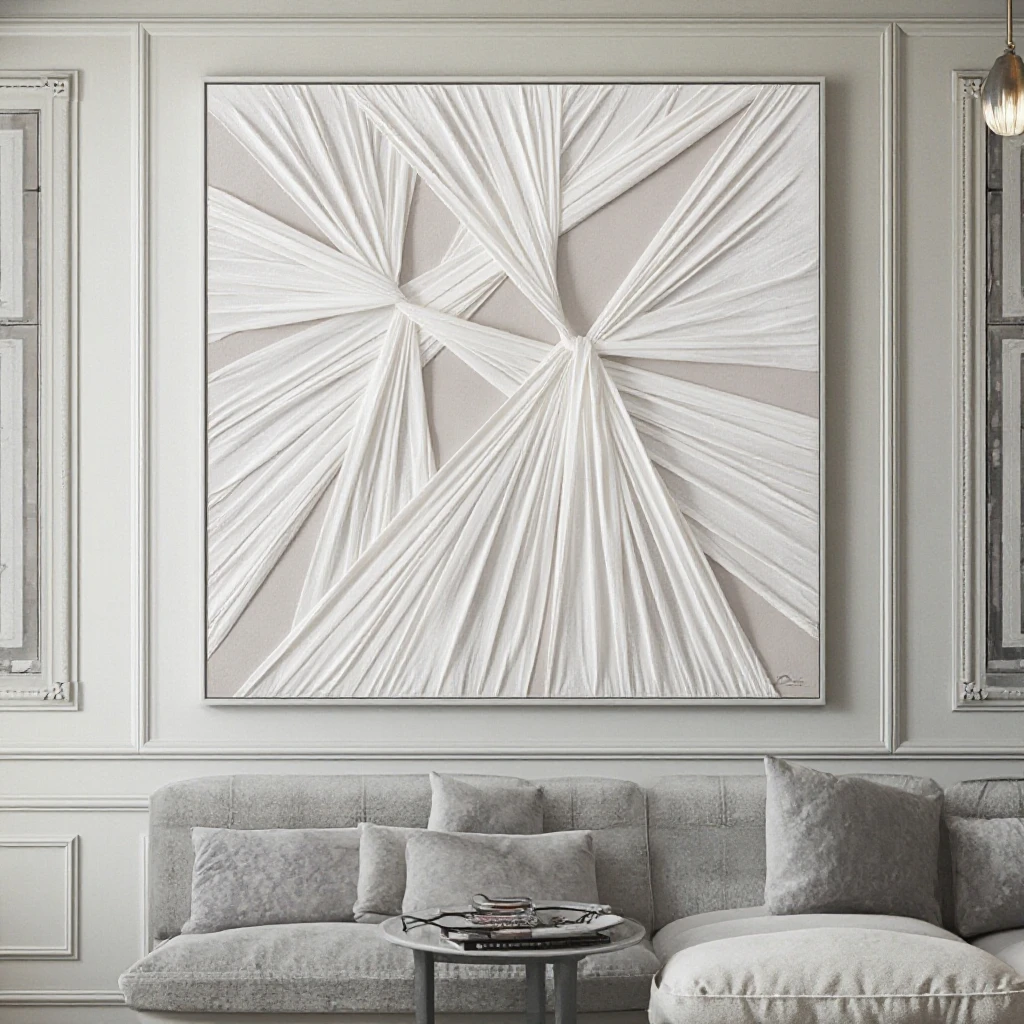
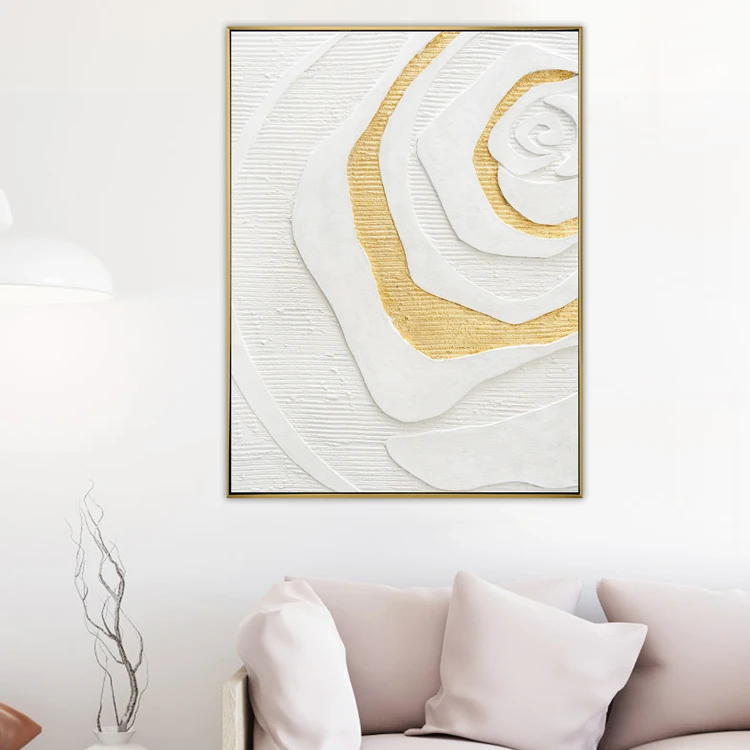
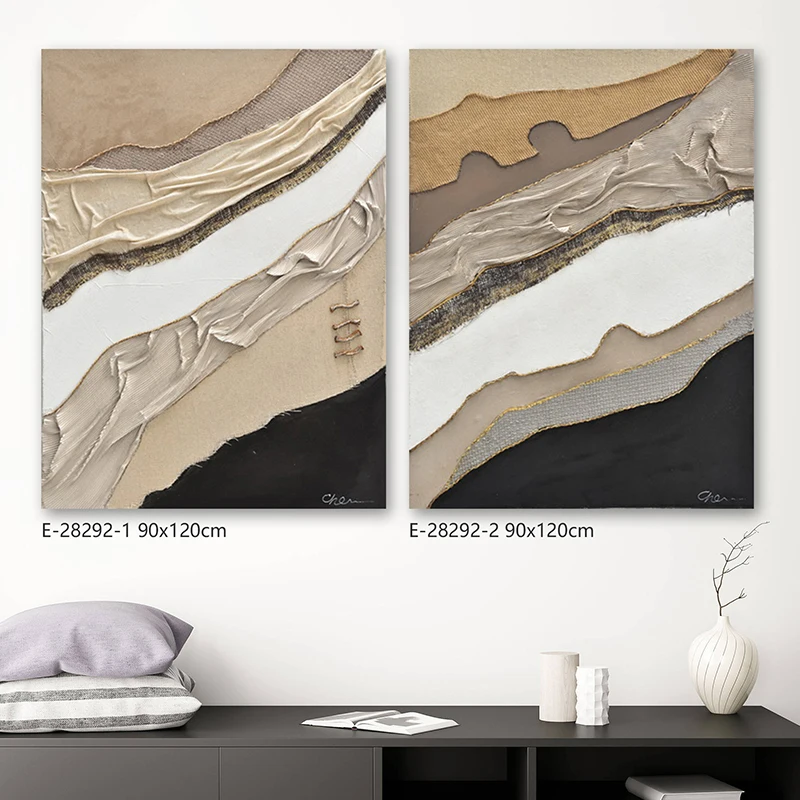
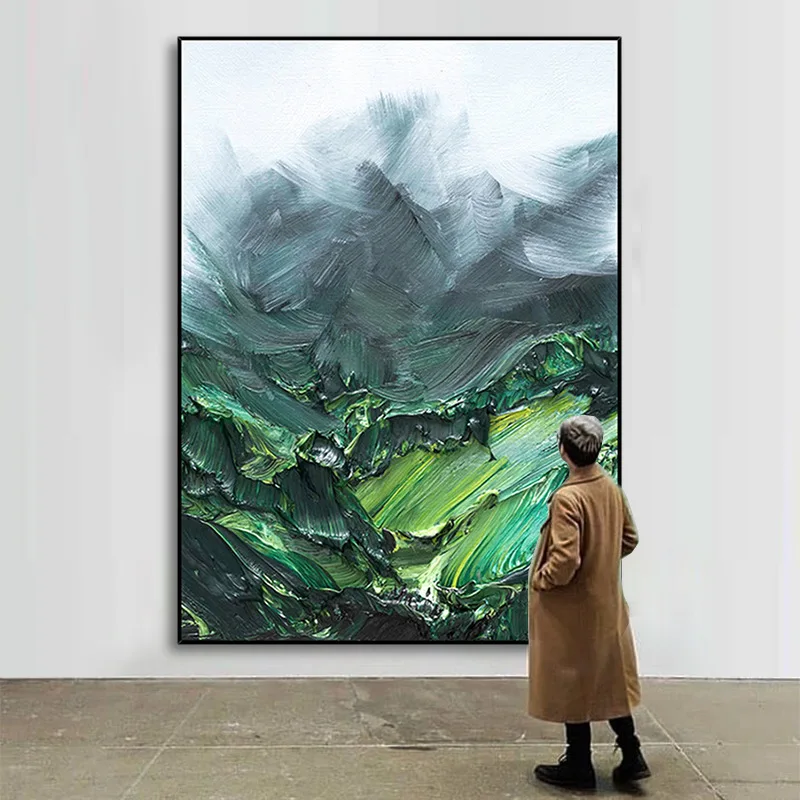
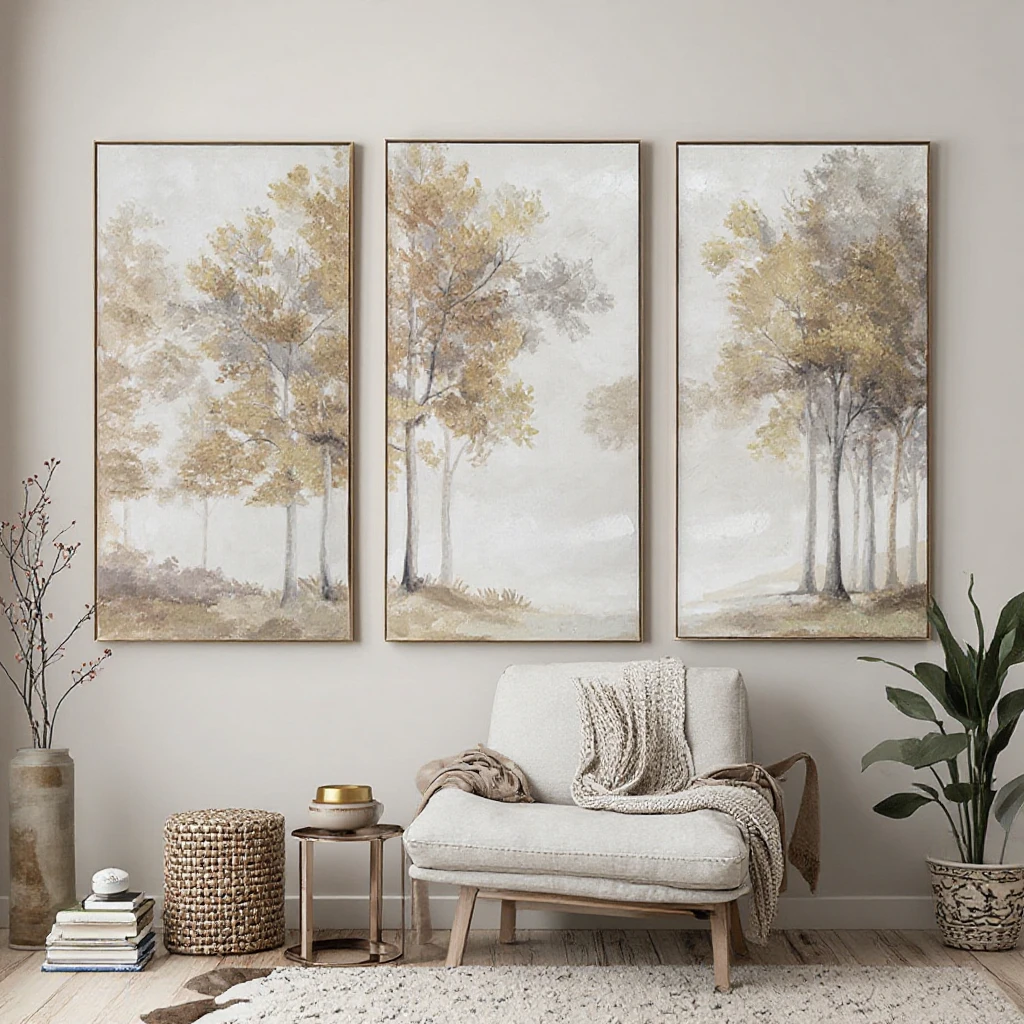
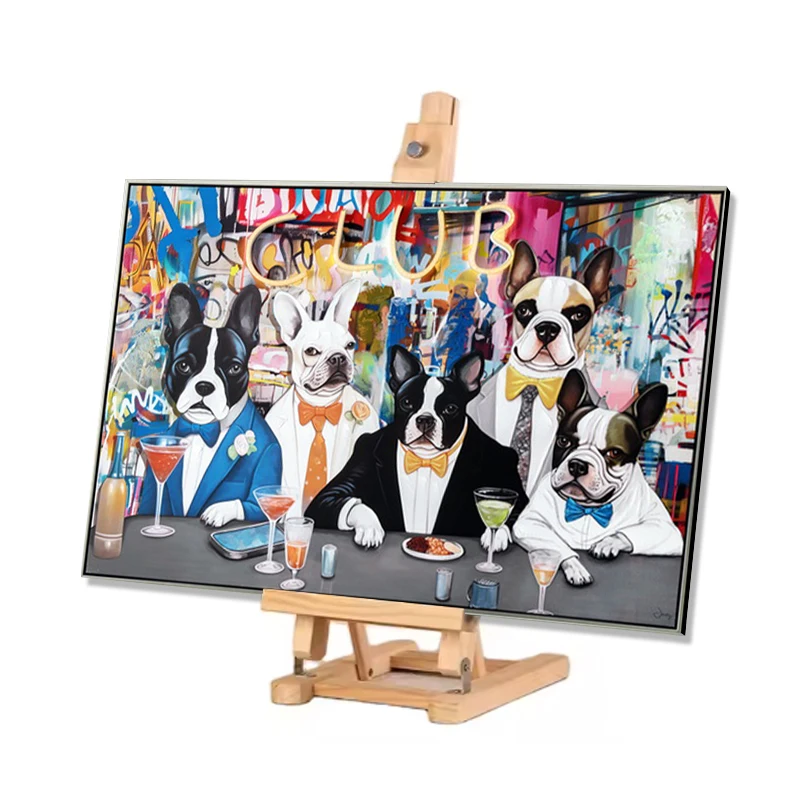
Sustainability in hospitality is no longer a marketing slogan—it has become a measurable expectation. Guests notice materials. They read between the lines of design decisions. And increasingly, they associate visual environments with a hotel’s environmental responsibility. Within this shift, eco-friendly wall art has quietly moved from a niche option to a strategic design choice.
Artwork may not be the first thing people think of when discussing sustainability, yet in modern hotels it plays a surprisingly influential role. Wall art occupies large surface areas, appears in nearly every guest-facing space, and often reflects the values a brand wants to project—consciously or not.
Over the past decade, sustainability has evolved from operational concerns—energy, water, waste—into experiential design. Guests expect the environment to feel responsible, not just function efficiently.
Research in hospitality psychology suggests that visual cues strongly influence perceived brand ethics. Natural materials, muted palettes, and low-impact finishes subtly reinforce trust and comfort. Sustainable hotel art, when done well, supports this perception without needing explanation.
In other words, guests may not ask what your artwork is made of—but they sense when it aligns with a greener narrative.
Not all “green” artwork meets professional sustainability standards. For hospitality projects, environmentally friendly wall art typically integrates sustainability at multiple levels:
FSC-certified wood frames
Organic or recycled canvas
Low-VOC or water-based inks and paints
Non-toxic primers and varnishes
Materials matter not only for environmental impact but also for indoor air quality—an issue increasingly scrutinized in guest rooms and corridors.
Responsible suppliers focus on:
Reduced chemical usage
Controlled waste disposal
Energy-efficient drying and curing
Scaled production that minimizes excess inventory
From an operational standpoint, these practices also reduce defects and improve long-term durability.
Sustainable design favors timelessness. Artwork that ages gracefully reduces replacement frequency, which is one of the most overlooked sustainability metrics in hospitality interiors.
Hotels operate at the intersection of comfort and conscience. While eco-friendly linens or refillable amenities are now expected, visual sustainability is still differentiating.
From my observations working with hospitality buyers, eco-conscious artwork often serves three purposes simultaneously:
Enhances visual warmth
Signals brand values without signage
Supports ESG reporting narratives
This is especially relevant for boutique hotels, eco-resorts, and premium business hotels seeking subtle differentiation.
Sustainability does not require uniformity. In fact, varied application across spaces often feels more authentic.
Guest rooms: calming, nature-inspired sustainable artwork enhances restfulness
Lobbies: larger statement pieces using natural textures reinforce brand commitment
Corridors: modular eco-friendly prints reduce waste during renovations
Restaurants & lounges: artwork using muted earth tones complements sustainable dining concepts
When sustainability integrates naturally into each area, it becomes part of the spatial story rather than an isolated feature.
In reality, sustainable materials often add texture, depth, and visual softness that mass-produced prints lack.
While initial unit cost may be slightly higher, longer lifespan and reduced replacement cycles often lower total lifecycle cost.
They may not articulate it, but guest feedback increasingly reflects appreciation for authenticity and responsibility in design.
Hotels sourcing environmentally friendly artwork should look beyond surface claims.
Ask suppliers about:
Material sourcing documentation
VOC and safety certifications
Frame wood origin
Packaging sustainability
Waste reduction practices
Suppliers who understand sustainability can explain it calmly and precisely—without marketing exaggeration.
One concern frequently raised by designers is whether sustainable art limits creativity. In practice, the opposite is often true.
Constraints encourage intentional design. Color choices become more thoughtful. Materials are selected for meaning as well as aesthetics. The result is artwork that feels considered rather than decorative.
For hospitality brands, this balance strengthens identity rather than diluting it.
Sustainable wall art works best when it’s not treated as a feature, but as a design language. It blends into the visual environment, supports comfort, and reinforces trust quietly.
From long-term observation, the most successful hospitality projects don’t advertise sustainability—they embed it. Guests sense coherence. Staff feel pride. And the space ages with dignity rather than trend fatigue.
That, ultimately, is what modern sustainability in hospitality looks like.
 Hot News
2025-10-20
2025-09-08
2025-09-01
2025-02-01

Discover Free Cloud Arts, where art is more than just visuals—it's an emotional journey. Our innovative designs and unique concepts bring something different to the world of art. Explore our collections of 100% handmade paintings, canvas prints, and layered mat glass art.
No. 2980, Zhufeng Road South, Doumen District, Zhuhai, Guangdong, China, 519170
Copyright © 2026 China Zhuhai Free Cloud Arts Co., Ltd. All rights reserved. Privacy Policy;
 EN
EN