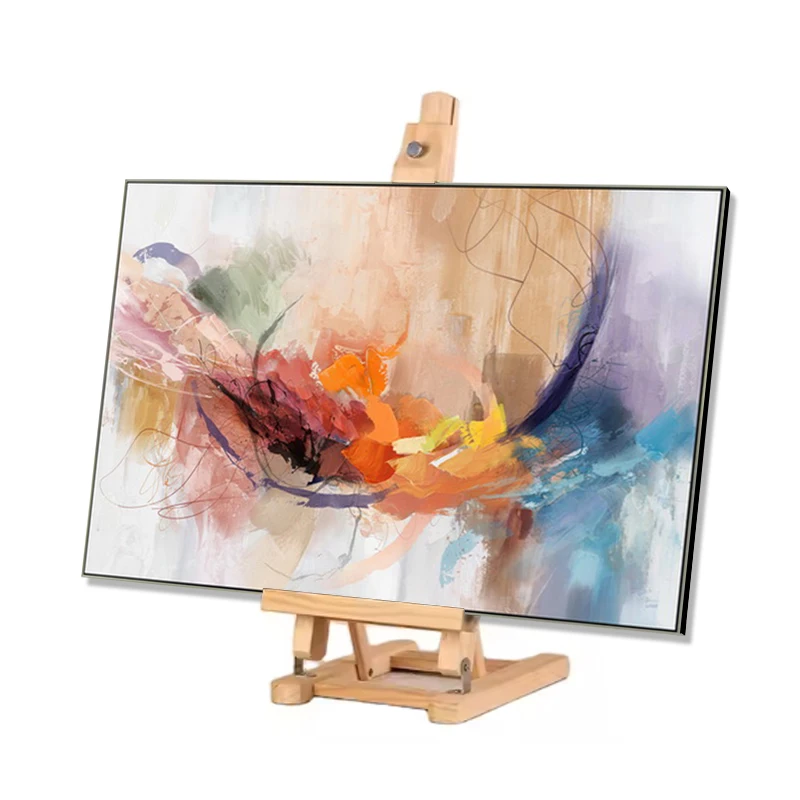
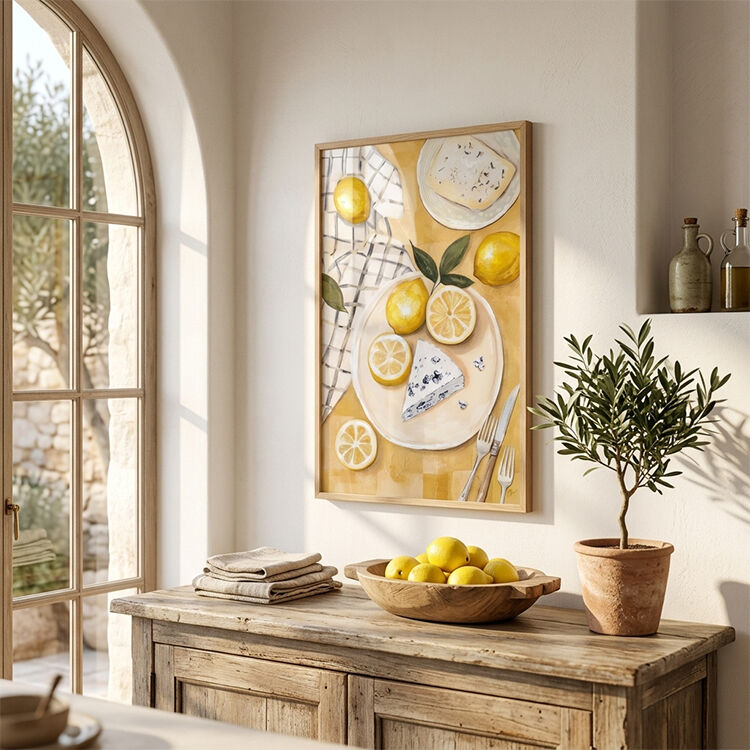
In modern commercial interiors, wall art has become more than decoration. It’s a subtle branding tool—one that shapes how clients read your company and how employees feel inside the space. When companies ask why their offices look “nice but not distinctive,” the missing piece is often custom wall art that actually speaks the language of their brand identity.
Custom artwork gives businesses a way to translate brand values into spatial form. Instead of filling walls with generic prints, you can create visuals that echo the company’s tone, mission, and cultural personality. The challenge lies in doing this with sophistication, not with heavy-handed logos or corporate clichés.
In corporate branding research, environmental cues are shown to influence trust, emotional engagement, and perceived professionalism. Visuals inside a workplace become part of the brand’s emotional memory. This is especially true in reception areas and client-facing rooms, where branded wall art communicates instantly—often before anyone speaks.
Art that aligns with brand identity is not about decorating the office; it’s about shaping perception.
Before choosing any artwork format, define the emotional profile your brand should evoke. Is the brand calm and analytical? Creative and bold? Premium and minimalist? These emotional cues translate directly into color palettes, art styles, and even canvas textures.
For example:
A tech company seeking clarity might lean toward structured geometric compositions.
Hospitality brands often choose warm, narrative-driven art that subconsciously reflects comfort.
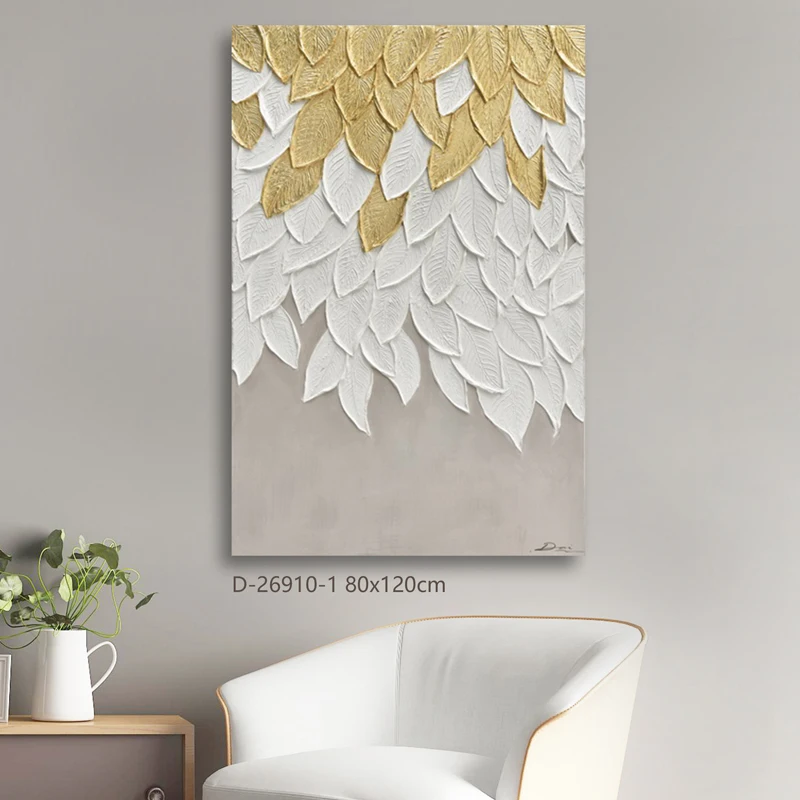
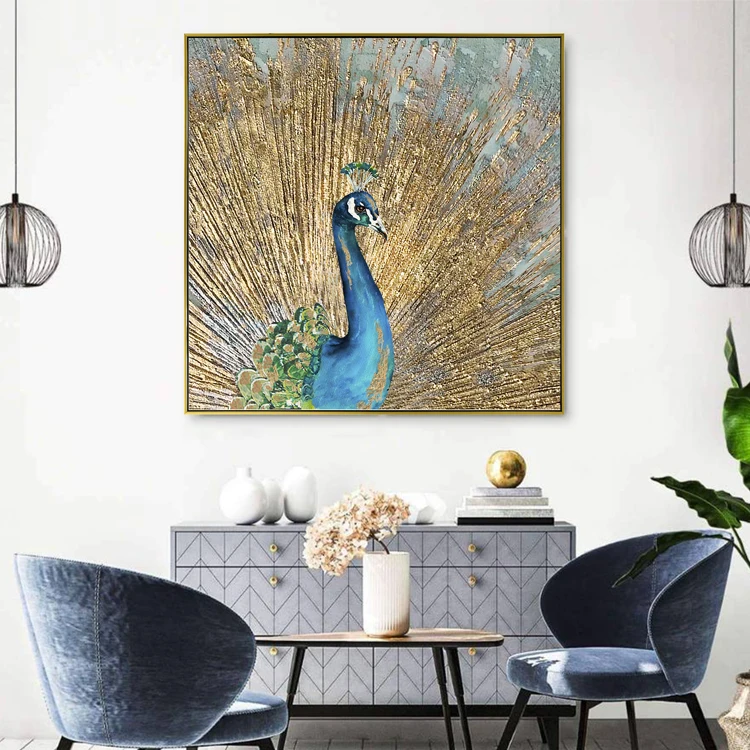
Luxury brands gravitate toward deep tones, metallic accents, and large-scale artworks to establish gravitas.
Treat the artwork as a visual extension of your brand guidelines—only more atmospheric and less literal.
One of the most common mistakes in custom wall art for businesses is overusing logos. Logos belong on signage, not on every wall. In branded interiors, subtlety wins.
Instead of placing the company logo everywhere, use symbolic language:
Color families taken from the brand palette
Motifs inspired by the company’s industry
Abstract visuals representing movement, innovation, or heritage
Textures or patterns drawn from the brand’s history
This approach maintains coherence without feeling promotional or dated.
Not every wall has the same function. A strong branding strategy matches artwork to the experiential purpose of each space.
Reception & client areas: choose bold, large-scale pieces that act as brand signatures.
Conference rooms: focus on pieces that inspire focus and professionalism; avoid overwhelming colors.
Breakout or café zones: introduce lighter, culture-driven artwork to reflect internal values.
Executive rooms: art can be more refined, with quieter tones that signal authority.
Aligning office artwork with spatial use deepens the brand narrative across the interior.
Texture contributes as much as imagery. A canvas with a matte finish communicates softness and approachability. A glossy aluminum print feels sharp and contemporary. Natural wood frames signal sustainability or craftsmanship.
Premium brands may choose:
Museum-quality canvas
Hand-painted finishes
Metallic or textured substrates
Whereas minimalist brands may opt for:
Frameless prints
Clean, monochrome artwork
Low-contrast palettes
Material selection should extend the brand’s tactile identity, not contradict it.
One of the most effective forms of custom wall art is narrative-based design. Instead of using literal brand graphics, incorporate elements tied to the company’s history or mission.
Examples include:
A timeline interpreted through abstract visuals
A city map reimagined as a modern art piece for global companies
Data visualization transformed into aesthetic artwork
Paintings inspired by the company’s founder or origin story
When art subtly encodes brand stories, the space gains authenticity rather than feeling staged.
A mistake I often see is treating office artwork like a matching set: same color, same layout, same proportions. Yet brands come alive through variation within a coherent system.
A more sophisticated approach:
Use a shared color base, but vary intensity
Keep consistent framing styles, but change sizes strategically
Mix abstract, graphic, and textural pieces within the same visual logic
Consistency builds recognition; thoughtful variation keeps the space human and dynamic.
The most impressive branded environments often result from collaboration between designers and professional artists familiar with commercial interiors. These artists understand scale, lighting, and spatial behavior—not just aesthetics.
A brand-aware artist can:
Translate values into visual metaphors
Balance subtle branding with artistic integrity
Create custom artwork that ages well (avoiding trend fatigue)
You’re not buying art; you’re shaping how people experience your brand physically.
After years of observing branding inside corporate spaces, I’ve found that custom artwork quietly influences how people feel about a company—more deeply than logos or taglines do. Art animates the brand in ways that are emotional and atmospheric. When chosen thoughtfully, it becomes a living part of the identity, renewing itself every time someone interacts with the space.
 Hot News
2025-10-20
2025-09-08
2025-09-01
2025-02-01

Discover Free Cloud Arts, where art is more than just visuals—it's an emotional journey. Our innovative designs and unique concepts bring something different to the world of art. Explore our collections of 100% handmade paintings, canvas prints, and layered mat glass art.
No. 2980, Zhufeng Road South, Doumen District, Zhuhai, Guangdong, China, 519170
Copyright © 2026 China Zhuhai Free Cloud Arts Co., Ltd. All rights reserved. Privacy Policy;
 EN
EN