Hotel art selection is often treated as a single decision repeated across an entire property. In practice, guest rooms and public areas demand very different artistic strategies. They serve different emotional purposes, operate under different environmental pressures, and support different brand narratives.
Understanding this distinction helps hotels avoid one of the most common design mistakes: using the same artwork logic everywhere.
A hotel room is intimate. Guests retreat there to rest, recalibrate, and feel temporarily at home. Public areas, by contrast, are performative. Lobbies, lounges, corridors, and restaurants communicate the hotel’s identity outward — to guests, visitors, and sometimes the city itself.
Oil paintings, because of their material depth and emotional resonance, respond strongly to these spatial differences.
Art that feels calming in a room may feel underwhelming in a lobby.
Artwork that energizes a public space can overwhelm a sleeping environment.
The challenge lies in selecting appropriately — not uniformly.
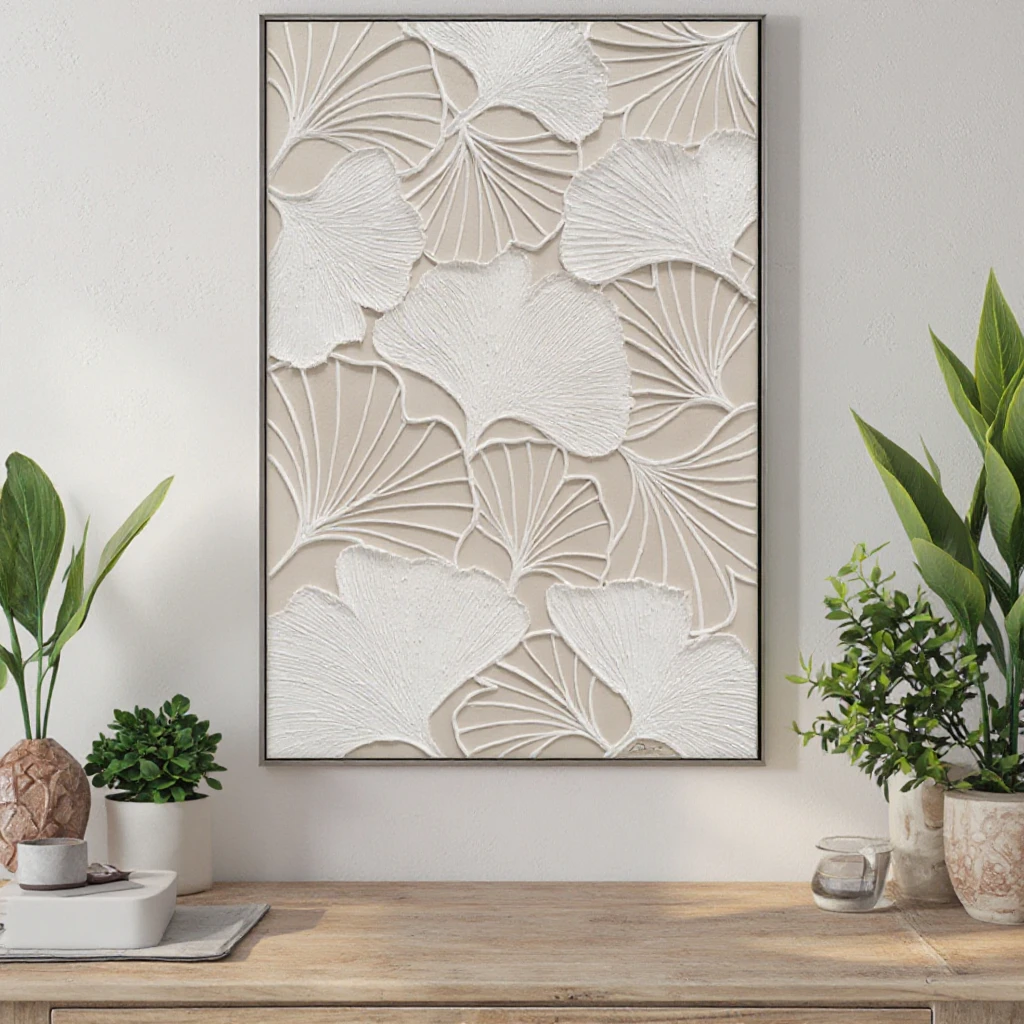
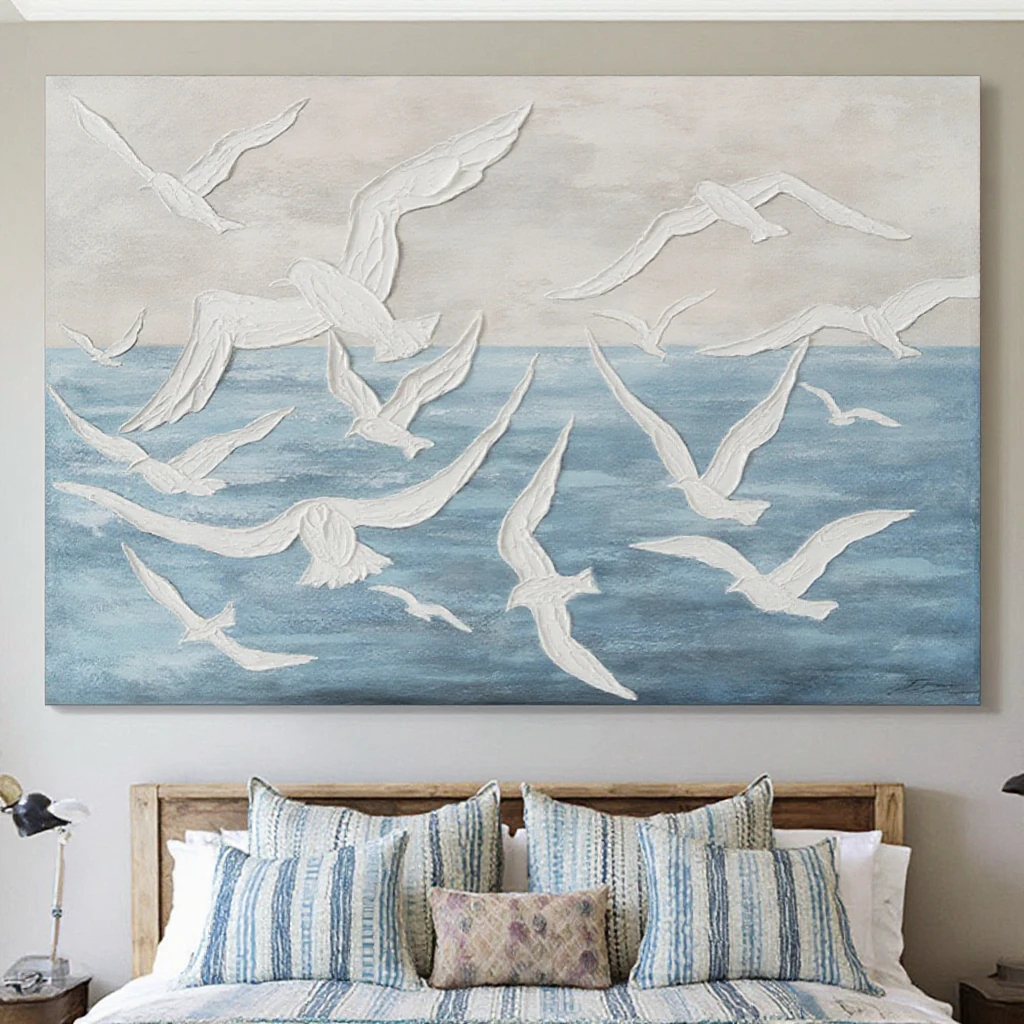
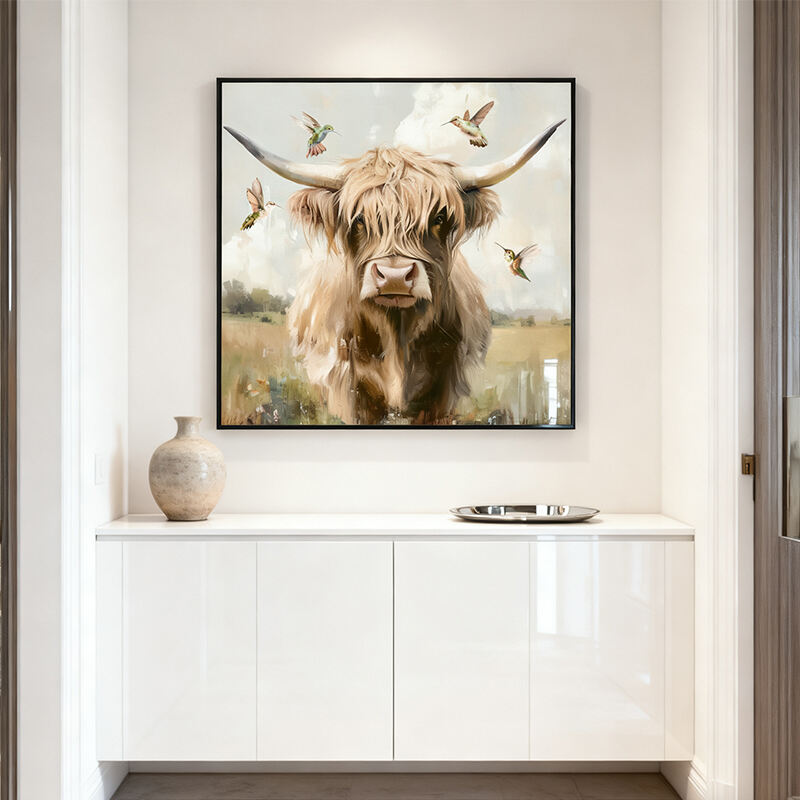
In guest rooms, oil paintings work best when they reduce visual noise. Soft transitions, restrained palettes, and balanced compositions help create a sense of ease.
Effective approaches include:
abstract landscapes with gentle movement
neutral-toned compositions with subtle texture
simplified figurative elements without narrative tension
color palettes aligned with bedding and wall finishes
Here, less is not a lack of ambition — it is a design choice.
Guest room walls rarely benefit from oversized statements. Paintings should feel proportionate, allowing space to breathe.
From experience, mid-scale works placed:
above headboards
opposite beds
near seating zones
tend to feel intentional without demanding attention.
Rooms face:
frequent HVAC cycling
daily housekeeping
close human proximity
Oil paintings selected for rooms should prioritize material stability, consistent canvas tension, and protective varnish — rather than experimental surfaces or heavy impasto.
Longevity here is invisible success.
Public spaces carry narrative weight. This is where oil paintings can operate more boldly.
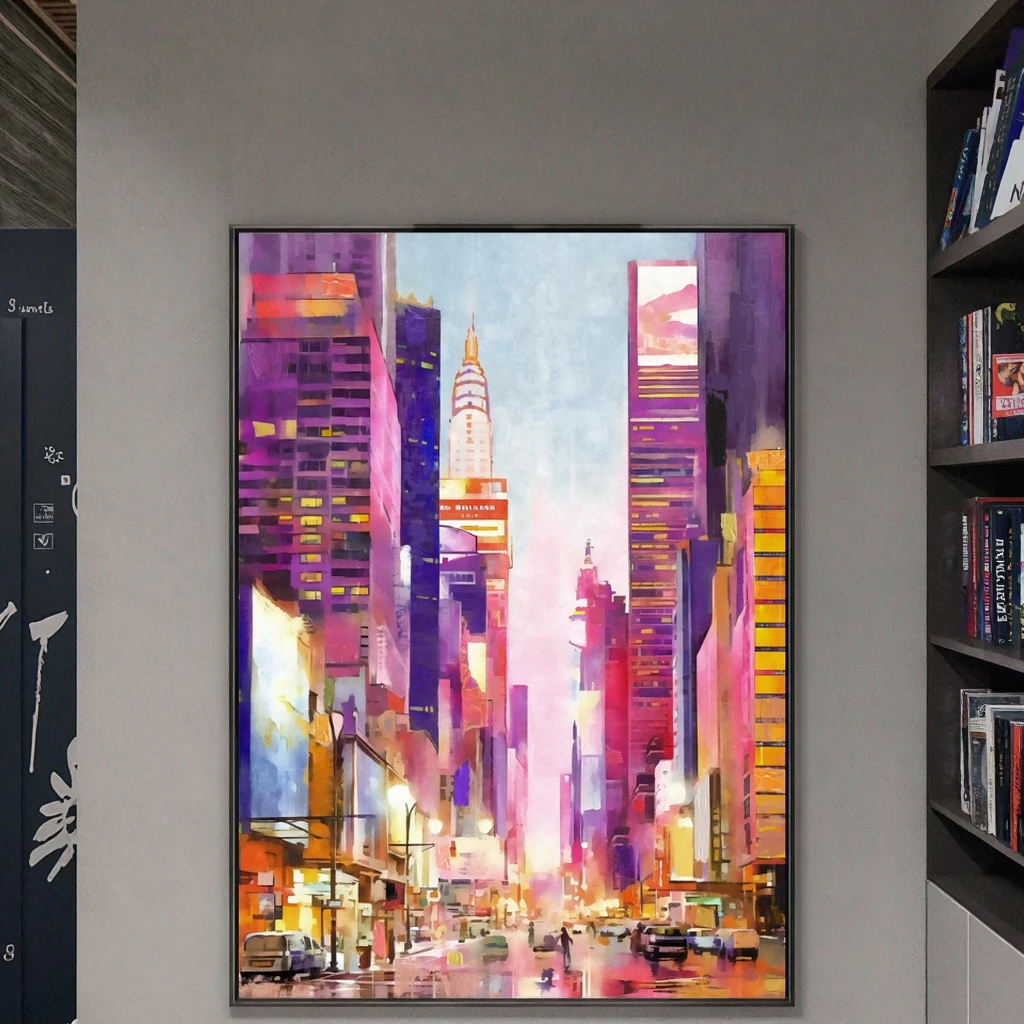
Large-format oil paintings naturally command attention. In lobbies and lounges, scale communicates confidence.
Common successful strategies include:
statement pieces anchoring reception areas
series installations guiding corridor movement
vertical works emphasizing architectural height
thematic collections reinforcing brand identity
Unlike rooms, repetition in public spaces can work — when it supports a clear visual story.
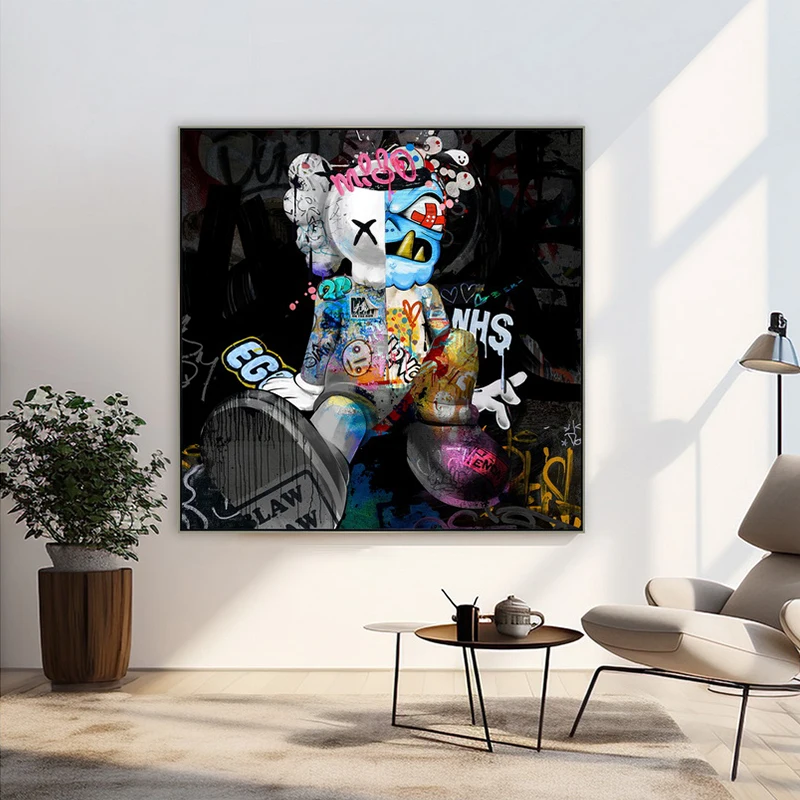
Public areas tolerate — and often benefit from — stronger contrasts.
Darker tones, saturated hues, and layered textures add visual depth under ambient lighting. Oil paint’s ability to hold richness over time makes it particularly suited to these conditions.
Texture, here, is not merely aesthetic. It signals craftsmanship, permanence, and investment.
Public spaces face:
continuous lighting
higher foot traffic
greater exposure to pollutants
more frequent cleaning protocols
Oil paintings placed in these zones should be produced with:
high lightfastness pigments
reinforced canvas structures
professionally applied varnish layers
Consistency across multiple pieces becomes critical, especially in corridors and open-plan areas.
Successful hotels do not duplicate artwork between rooms and public areas. Instead, they develop parallel visual languages.
The connection may appear through:
shared color families
recurring compositional motifs
similar brushwork approaches
thematic continuity (nature, movement, place)
But the execution adapts to context.
This approach allows a hotel to feel cohesive without becoming monotonous.
From a procurement perspective, the mistake is ordering art in bulk without zoning logic.
A more effective strategy asks:
Which areas define first impressions?
Where do guests spend the most quiet time?
Which spaces carry the strongest brand storytelling responsibility?
Where does durability outweigh visual experimentation?
Breaking the project into zones allows budgets to be allocated intelligently — investing where impact matters most.
Hotels that succeed with oil paintings rarely chase trends. They prioritize clarity.
They understand that artwork does not need to shout in every space. Some paintings should speak softly. Others should define the room.
When art choices respect how guests actually move, rest, and remember a place, the result feels effortless — even when significant planning sits behind it.
Oil paintings can elevate both hotel rooms and public areas, but only when their roles are clearly distinguished.
Guest rooms benefit from calm, stability, and restraint.
Public areas thrive on scale, narrative, and visual presence.
Designing with this contrast in mind transforms artwork from decoration into experience — and experience, in hospitality, is everything.
 Hot News
2025-10-20
2025-09-08
2025-09-01
2025-02-01

Discover Free Cloud Arts, where art is more than just visuals—it's an emotional journey. Our innovative designs and unique concepts bring something different to the world of art. Explore our collections of 100% handmade paintings, canvas prints, and layered mat glass art.
No. 2980, Zhufeng Road South, Doumen District, Zhuhai, Guangdong, China, 519170
Copyright © 2026 China Zhuhai Free Cloud Arts Co., Ltd. All rights reserved. Privacy Policy;
 EN
EN