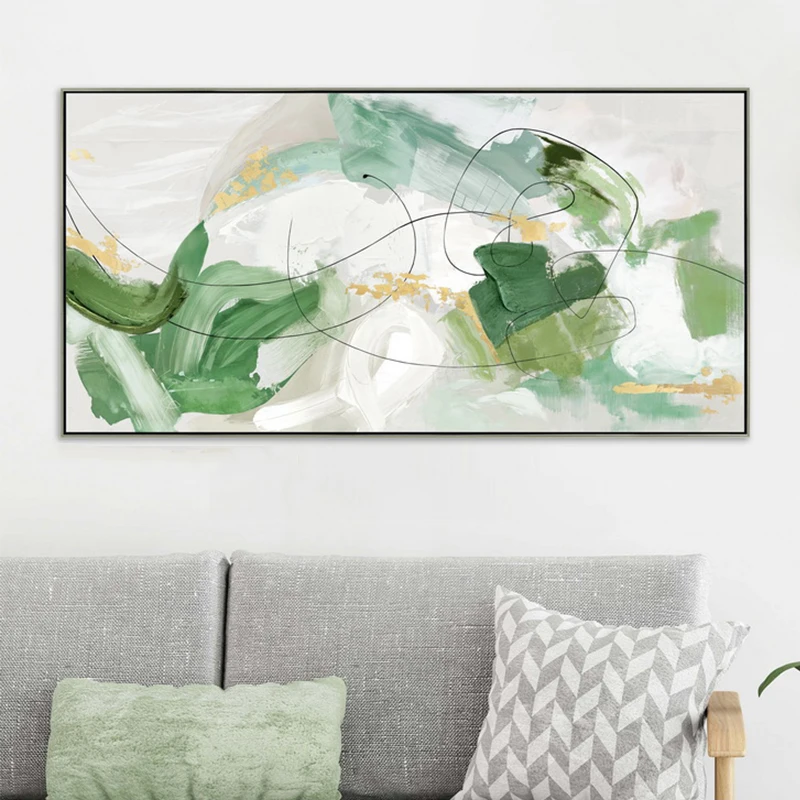
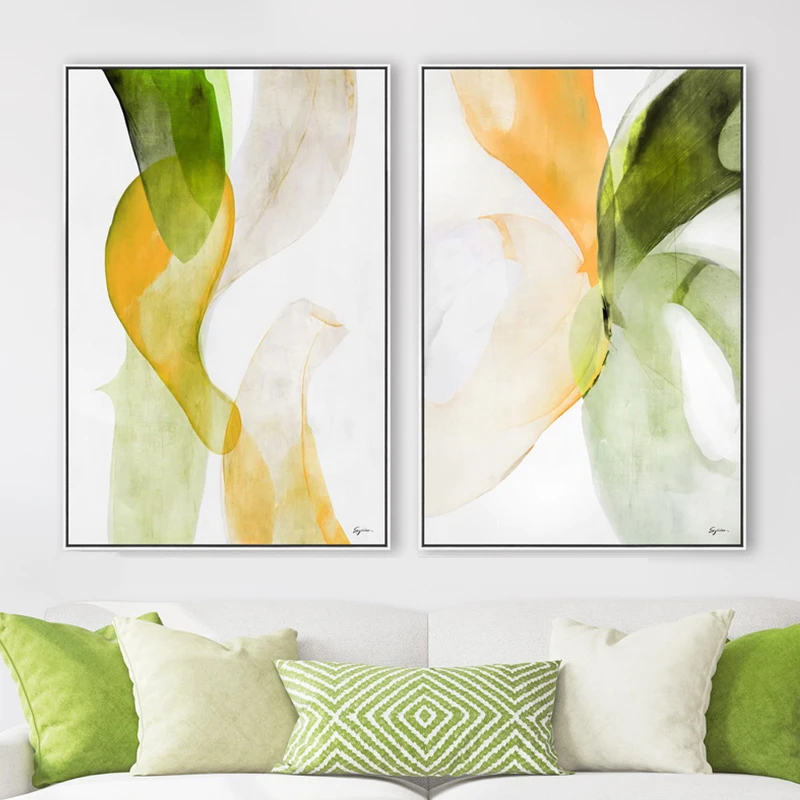
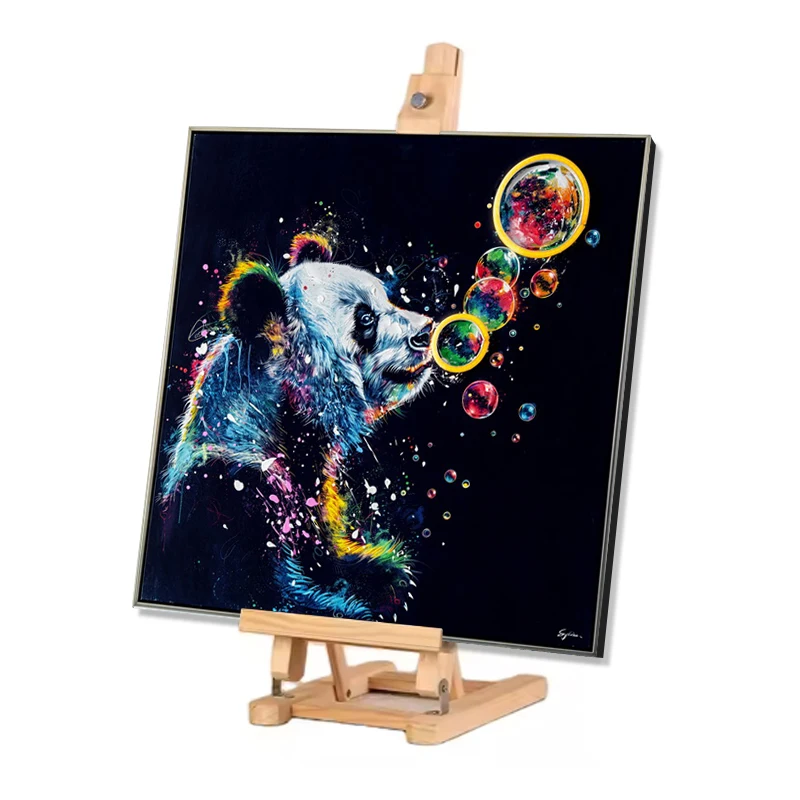
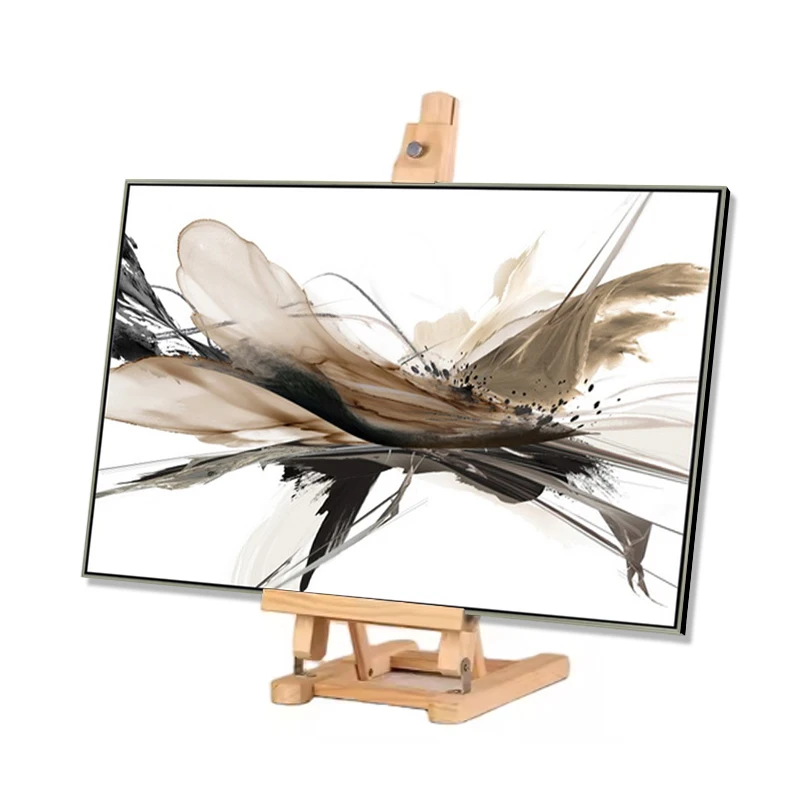
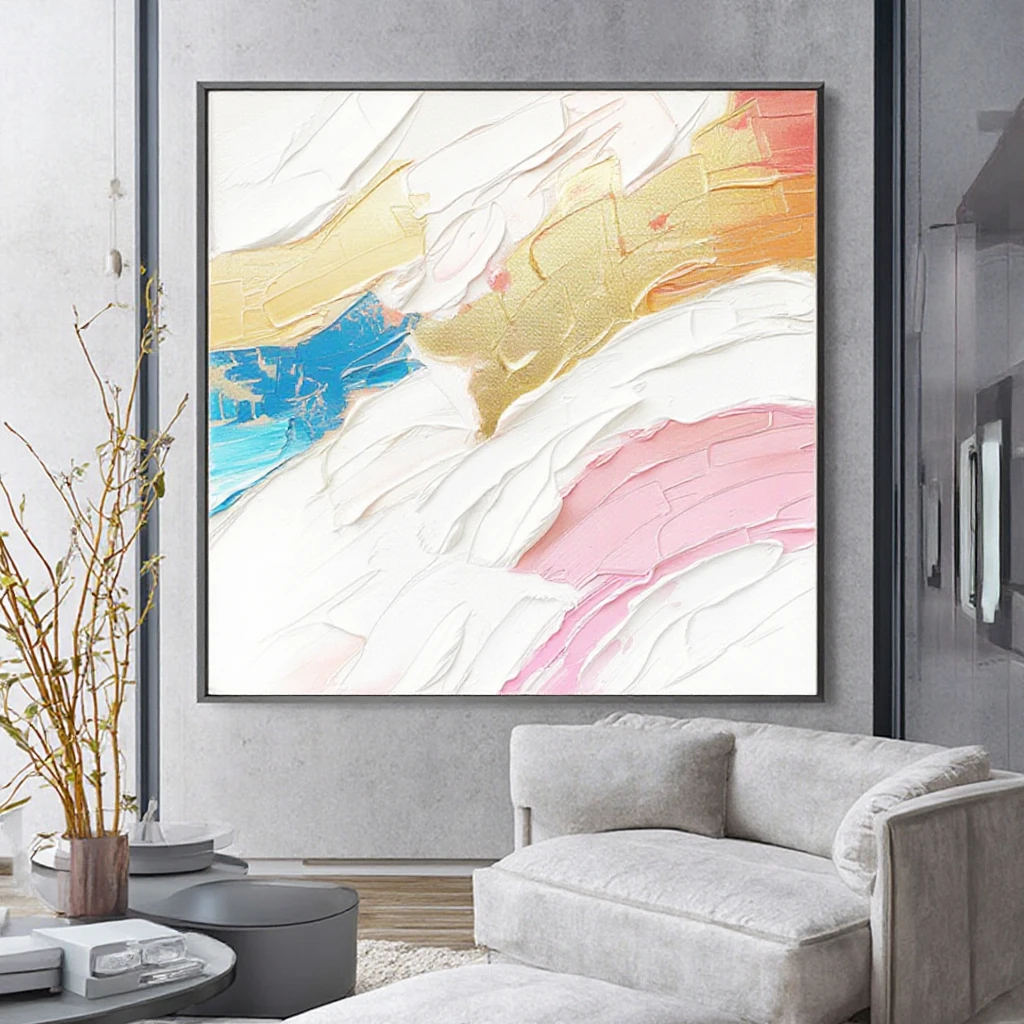
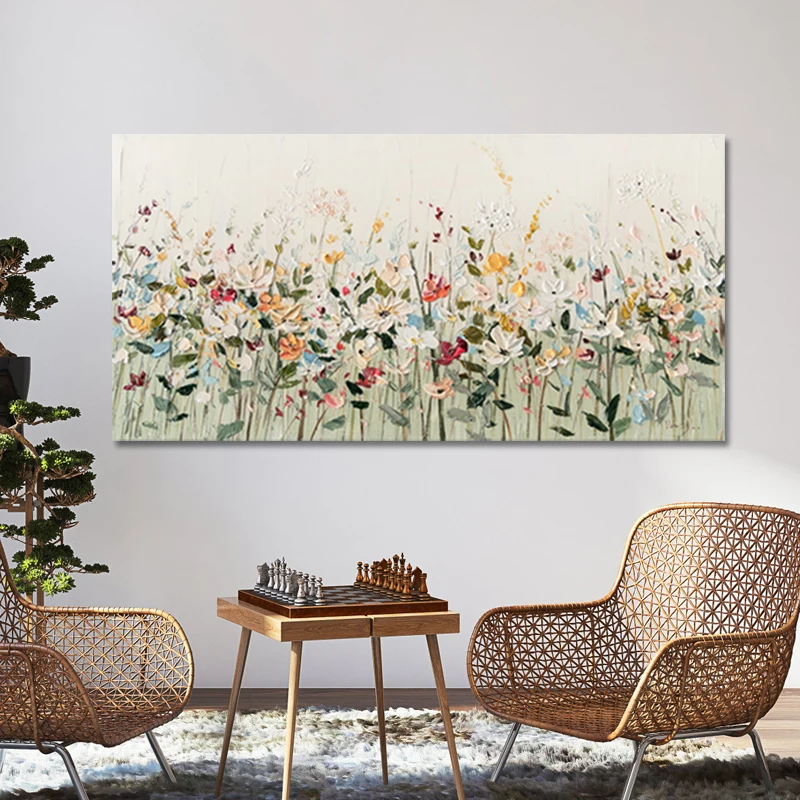
Luxury hospitality is not built on abundance. It is built on restraint, clarity, and intention. Every object in the space must justify its presence — especially art.
Wall art in luxury hotels is rarely about filling walls. It functions as spatial punctuation. It guides perception, frames movement, and quietly communicates brand values long before staff interactions begin.
This article outlines practical, experience-driven strategies for selecting and deploying wall art — particularly oil paintings — in high-end hospitality environments.
In luxury spaces, artwork does not sit on architecture. It works with it.
Large oil paintings can visually anchor open volumes. Narrow works can elongate corridors. Vertical compositions reinforce ceiling height. Horizontal sequences slow guest movement.
This architectural role explains why luxury properties often invest in fewer, more deliberate pieces rather than many small ones.
A single well-placed painting can do more than an entire gallery wall.
Scale is one of the most misunderstood variables in hotel art selection.
In luxury hospitality:
undersized art feels hesitant
oversized art, when proportioned correctly, feels confident
Large walls require large gestures. Oil paintings handle scale particularly well because their texture and depth remain legible from both near and far.
The mistake is not choosing something “too big.”
The mistake is choosing something too safe.
Luxury guests may not consciously analyze materials, but they sense them immediately.
Oil paintings communicate:
weight
permanence
human labor
time
Prints, even excellent ones, tend to communicate efficiency.
In high-end environments — lobbies, lounges, suites, executive floors — oil paintings reinforce the unspoken message that the space was made, not assembled.
Luxury does not demand bold color everywhere. In fact, restraint often reads as confidence.
Effective wall art palettes in luxury spaces often rely on:
tonal variations within a narrow spectrum
earth-based neutrals with subtle warmth
desaturated blues, greens, and charcoals
controlled contrast rather than sharp opposition
Oil paint excels here. Its ability to layer color allows depth without brightness — richness without noise.
Luxury hospitality avoids obvious storytelling. Guests do not want explanations; they want atmosphere.
Instead of literal themes, art strategies often focus on:
mood consistency
material continuity
regional abstraction rather than depiction
emotional pacing across spaces
Oil paintings, particularly abstract or semi-abstract works, allow interpretation without instruction. This ambiguity feels sophisticated rather than vague.
Luxury hotels succeed when spaces speak differently — but in the same language.
Common zoning strategies include:
Lobby: statement works that establish tone
Lounges: warmer palettes encouraging pause
Corridors: rhythm through series or variations
Suites: quieter compositions supporting rest
Private areas: minimal, restrained selections
The mistake is uniformity. The solution is coherence.
For hotel groups, luxury must scale without becoming generic.
Successful brands define:
core visual principles (palette, texture, mood)
adaptable formats for different architectures
repeatable production standards
controlled variation rather than duplication
Oil paintings allow this balance. Multiple works can share a language without being identical — preserving both brand consistency and local authenticity.
Luxury environments demand longevity.
Wall art strategies should account for:
continuous lighting exposure
climate control cycles
cleaning protocols
repositioning during renovations
High-quality oil paintings, properly varnished and mounted, age gracefully. This matters more in luxury spaces, where visible wear contradicts the brand promise.
The most successful luxury art programs feel effortless.
That effortlessness is engineered.
When art is chosen early — alongside lighting, materials, and spatial flow — it integrates naturally. When art is added last, it compensates.
Luxury does not tolerate compensation.
Wall art in luxury hospitality is a strategic instrument. It shapes first impressions, supports spatial rhythm, and reinforces brand values without explanation.
Oil paintings, when selected with intention, offer something rare in commercial interiors: presence without intrusion.
In luxury spaces, that balance is everything.
 Hot News
2025-10-20
2025-09-08
2025-09-01
2025-02-01

Discover Free Cloud Arts, where art is more than just visuals—it's an emotional journey. Our innovative designs and unique concepts bring something different to the world of art. Explore our collections of 100% handmade paintings, canvas prints, and layered mat glass art.
No. 2980, Zhufeng Road South, Doumen District, Zhuhai, Guangdong, China, 519170
Copyright © 2026 China Zhuhai Free Cloud Arts Co., Ltd. All rights reserved. Privacy Policy;
 EN
EN