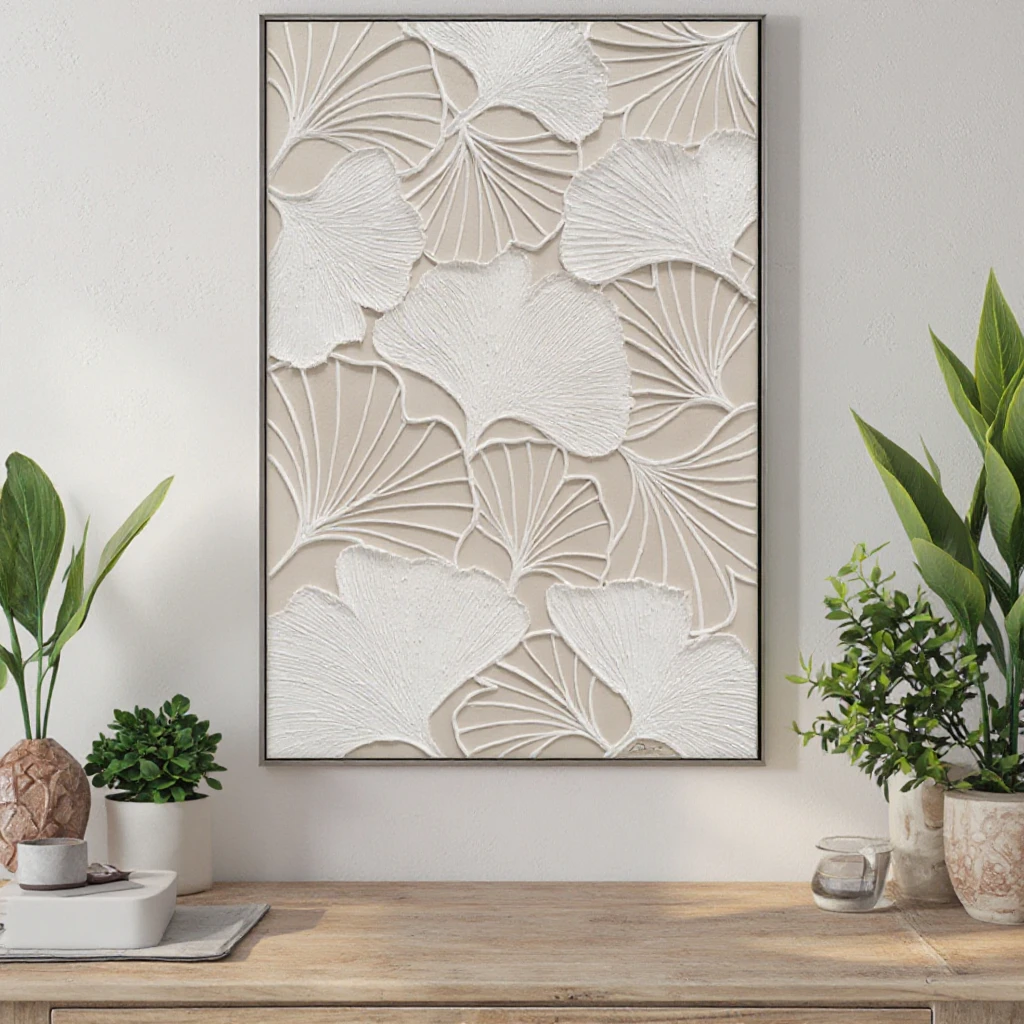
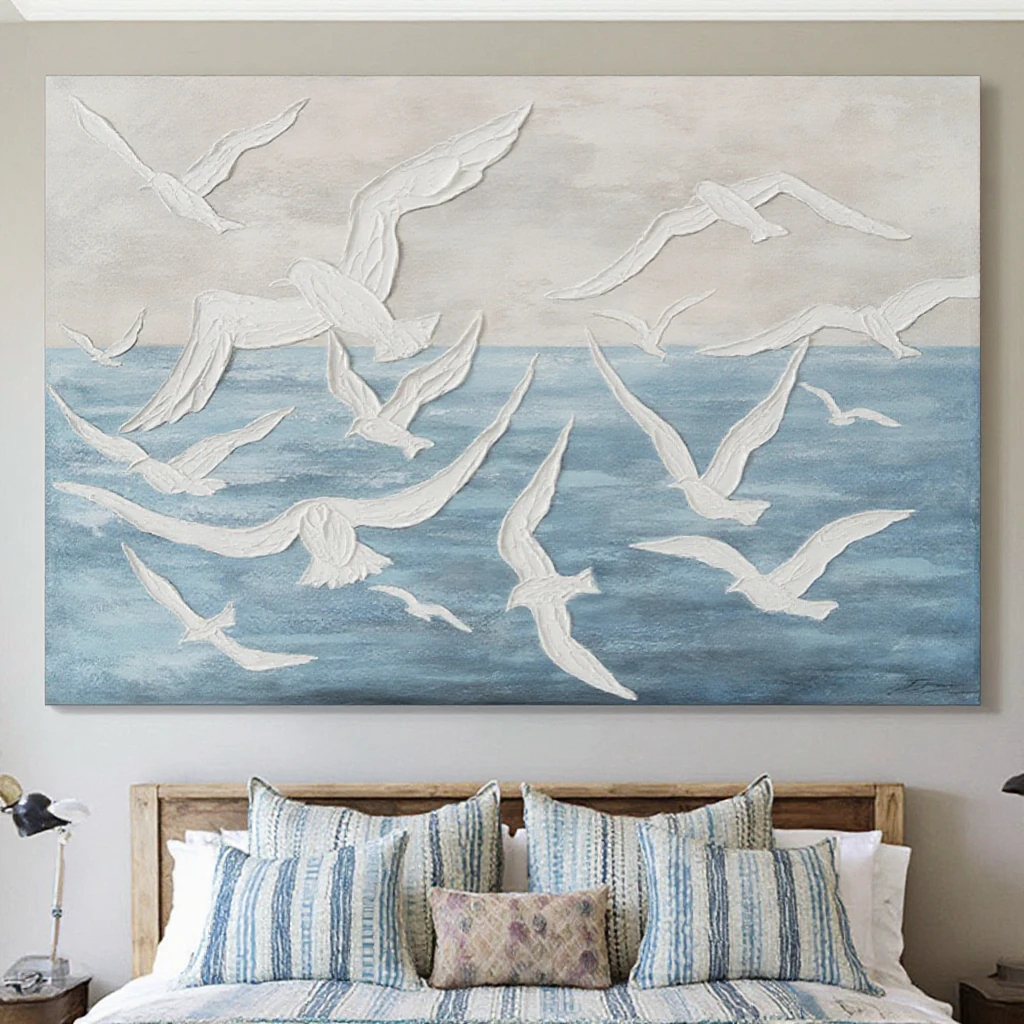
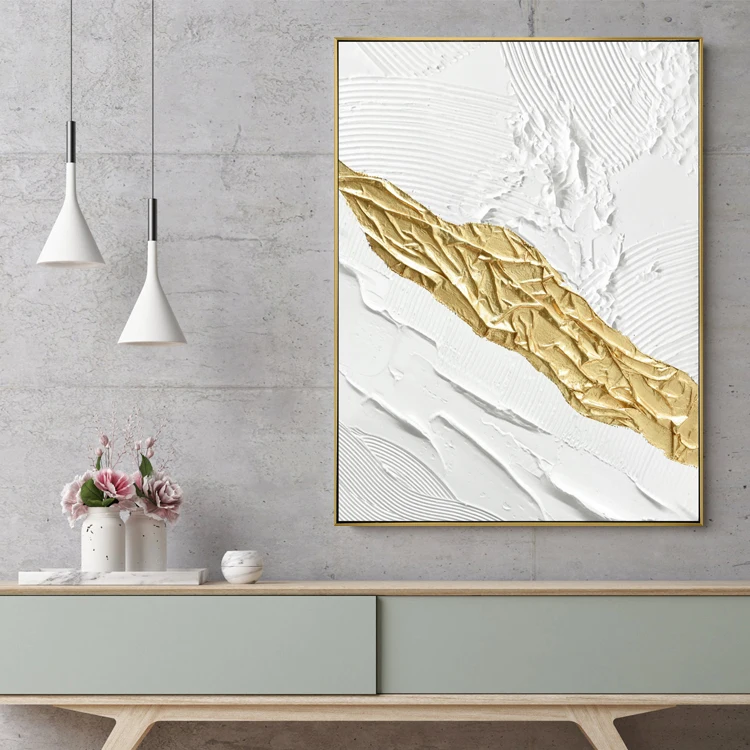
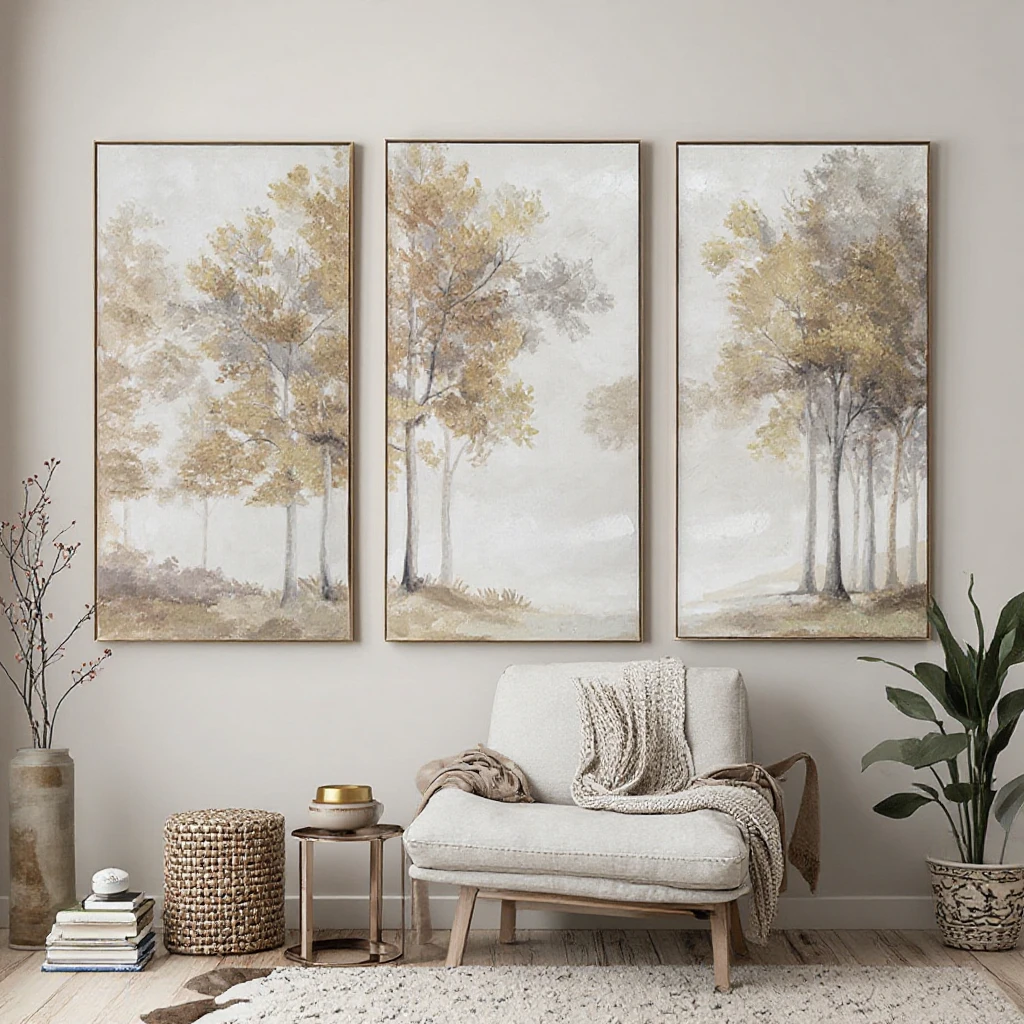
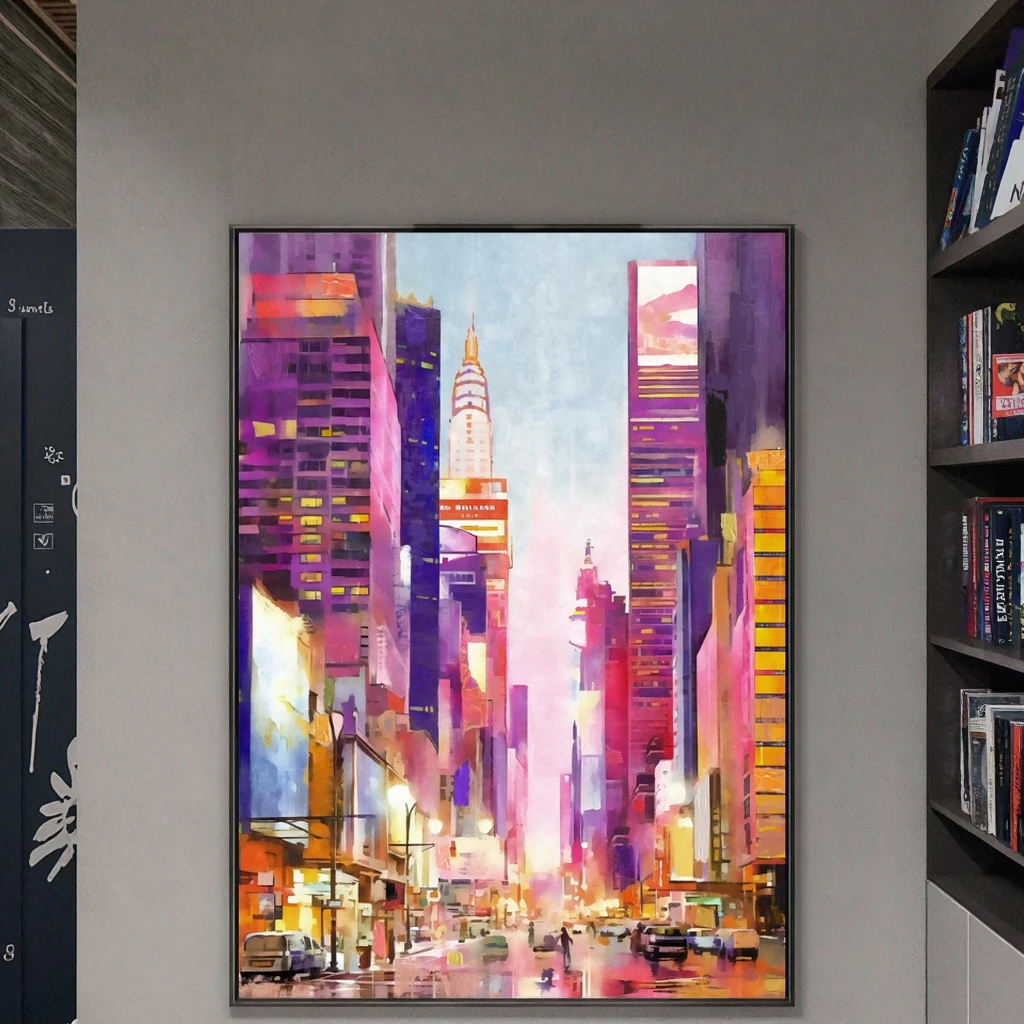
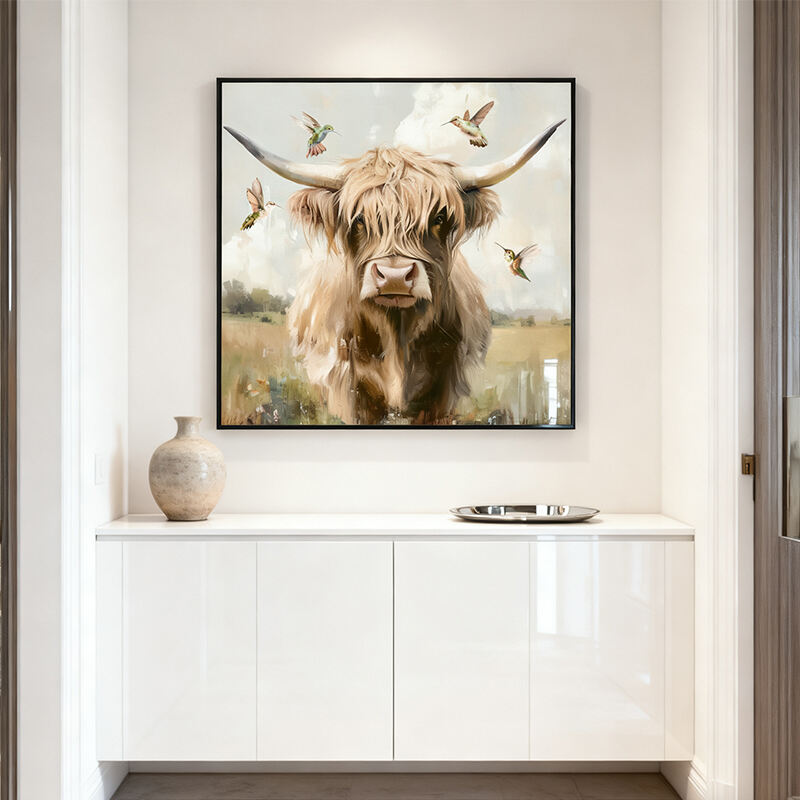
In premium hospitality, brand identity is not only expressed through a logo or slogan. Guests experience the brand through space — color, light, sound, scent, and especially art. When curated intentionally, oil paintings become more than decoration. They function as narrative tools, shaping how guests interpret the hotel’s character and values.
Over the past few years, many upscale hotels have quietly shifted from mass-produced prints to hand-painted artworks. The reason is simple: original paintings communicate authenticity — and authenticity strengthens brand storytelling.
Below is a practical framework explaining how oil paintings help hotels tell richer, more memorable stories.
Travelers today want context. They want to feel where they are, not just where they are staying.
Oil paintings allow hotels to connect visually with:
local landscapes and landmarks
regional culture and craft traditions
historical narratives unique to the destination
contemporary artists working in the community
Because each painting is individually created, it carries subtle variations — textures, brushwork, tonal shifts — that feel alive. A framed print of the same scene may communicate information, but it rarely conveys presence.
Guests often remember the hotel that “felt connected to the city,” not the one that resembled every other property.
A hotel brand might position itself as:
quietly luxurious
adventurous and creative
wellness-focused
culturally refined
urban and energetic
Oil paintings reinforce these traits through choices such as:
palette (soft neutrals, bold contrasts, earthy tones)
composition (structured vs. expressive)
subject matter (abstract mood vs. figurative storytelling)
scale (intimate corridor works vs. statement lobby pieces)
Because paintings are custom-adaptable, brand teams can build a consistent visual language across properties — while still allowing each location to feel genuine and site-specific.
Storytelling works when it evokes emotion. Oil paintings do this through surface depth and layered light, creating subtle shadows and tactile richness.
Guests instinctively read these cues as:
care
craftsmanship
permanence
Prints, by contrast, tend to flatten emotional cues. Even beautifully framed reproductions can feel transactional — as if the story stops at the glass.
In key storytelling spaces — lobbies, lounges, suites, executive floors — texture becomes narrative. It suggests time, process, and human touch.
Hotels are full of transitional spaces: elevators, corridors, stairwells, pre-function areas. Instead of leaving these zones neutral, curated series of oil paintings can create “chapters” in the guest journey.
Examples include:
a corridor sequence illustrating local coastline moods
abstract interpretations of regional architecture
thematic variations tied to the brand’s heritage story
seasonal collections refreshed over time
The result is subtle storytelling that unfolds as guests move through the building — without relying on signage or explanation.
Premium travelers are increasingly skeptical of mass-produced environments. Handmade art signals that the hotel invests in original creation rather than standardized decoration.
This impression supports brand values such as:
integrity
attention to detail
commitment to culture
sustainable, long-term thinking
For lifestyle and luxury brands, this perceived authenticity translates directly into guest satisfaction and brand loyalty — even when guests cannot articulate exactly why the space feels different.
Because oil paintings can be commissioned, relocated, and curated into long-term collections, they become part of the hotel’s evolving narrative. Over time they can support:
rebranding efforts
renovation storytelling
marketing campaigns and editorial photography
partnerships with local artists and institutions
In this sense, original artwork functions as an asset-backed storytelling tool — a durable investment rather than an expendable accessory.
Hotels sometimes rely on generic prints that loosely match color schemes but lack thematic intention. The result feels coherent but hollow.
Introducing purpose-driven oil art helps resolve common issues:
rooms feel interchangeable rather than curated
lobby spaces rely too heavily on furniture for personality
brand narratives exist only in brochures, not in the environment
With thoughtfully chosen paintings, the story moves out of the brand manual and into the guest’s lived experience.
When evaluating wall art options, ask:
What story does this property need to tell — about place, people, or brand values?
Where will narrative have the most emotional impact? (lobbies, suites, lounges, conference zones)
Which artworks should be original, and where can prints still be used strategically?
Can a supplier customize art to align with brand identity across multiple locations?
Used intentionally, oil paintings transform interior design into narrative design — and that is where premium hospitality truly differentiates itself.
 Hot News
2025-10-20
2025-09-08
2025-09-01
2025-02-01

Discover Free Cloud Arts, where art is more than just visuals—it's an emotional journey. Our innovative designs and unique concepts bring something different to the world of art. Explore our collections of 100% handmade paintings, canvas prints, and layered mat glass art.
No. 2980, Zhufeng Road South, Doumen District, Zhuhai, Guangdong, China, 519170
Copyright © 2026 China Zhuhai Free Cloud Arts Co., Ltd. All rights reserved. Privacy Policy;
 EN
EN