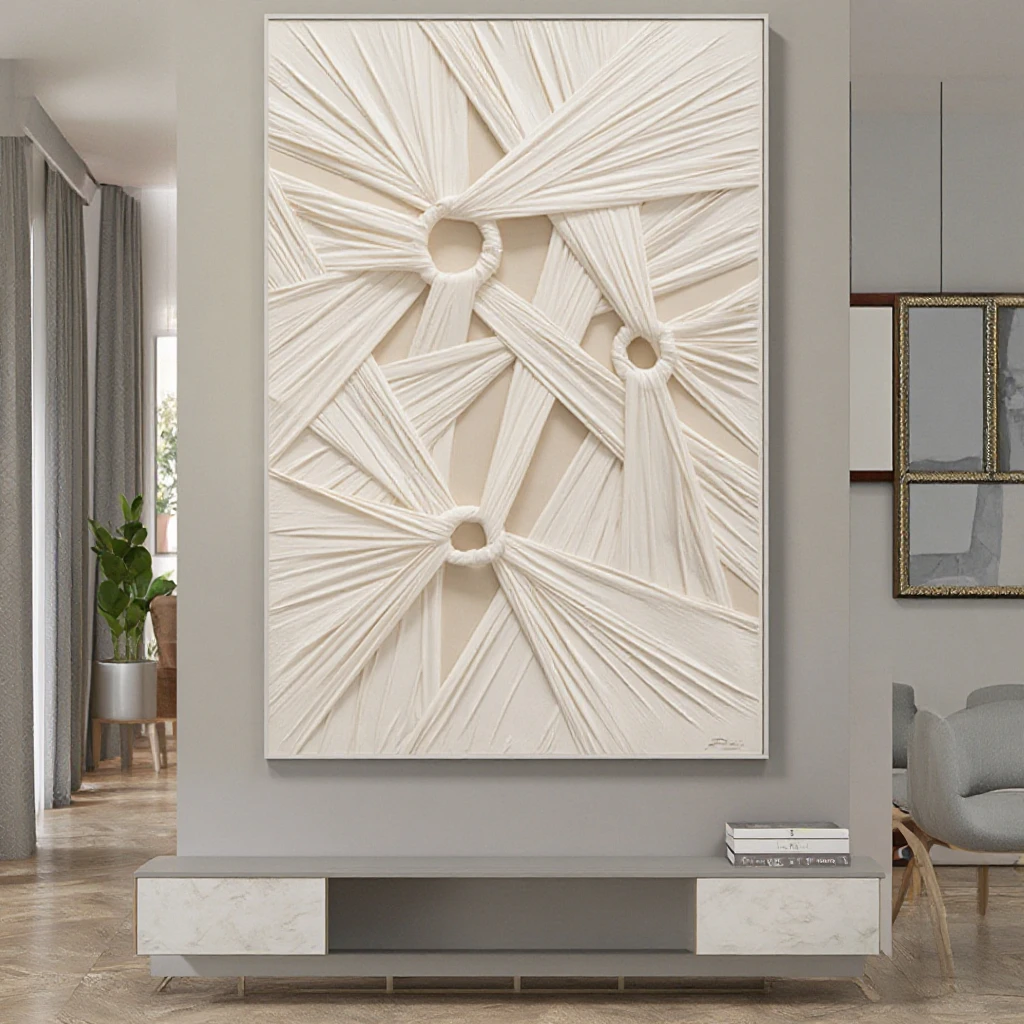
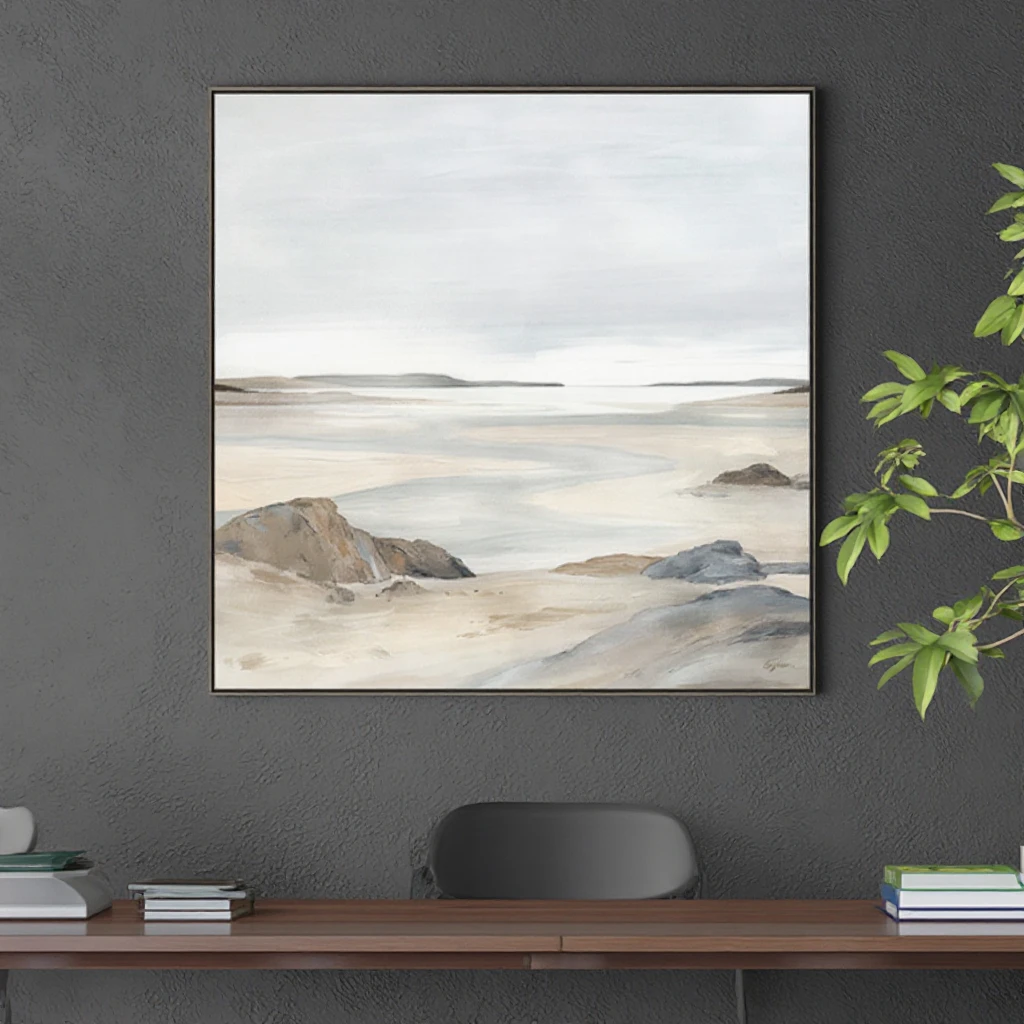
When hospitality buyers evaluate wall art, the focus often falls on style, color, and price. These are visible variables. What tends to go unnoticed are the environmental forces that quietly shape how art is perceived — and how well it performs over time.
Noise levels. Lighting behavior. Spatial acoustics.
These elements rarely appear on procurement checklists, yet they directly influence guest experience and the longevity of artwork.
In high-traffic hospitality spaces, art does not exist in isolation. It responds to its environment.
Sound alters perception. In acoustically active spaces, guests process visual information differently — often faster, and with less emotional engagement.
Public areas such as:
hotel lobbies
bars and lounges
breakfast zones
conference pre-function spaces
carry a constant ambient soundtrack. In these environments, overly intricate or visually demanding artwork can feel restless rather than engaging.
Oil paintings with:
clear compositional structure
balanced tonal transitions
controlled visual rhythm
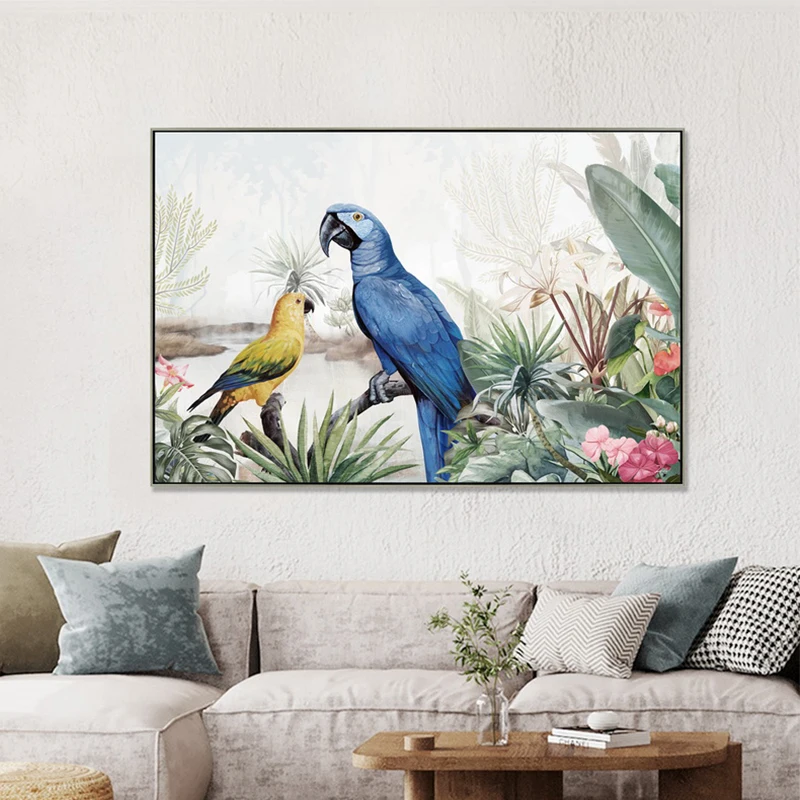
tend to perform better under noisy conditions. They register quickly, then settle into the background without demanding cognitive effort.
Art that “fights” the space rarely wins.
Guest rooms, spa areas, and executive lounges operate under lower noise thresholds. Here, guests linger. They notice detail.
In quieter environments:
subtle texture becomes legible
layered brushwork reveals depth
restrained color palettes feel intentional rather than muted
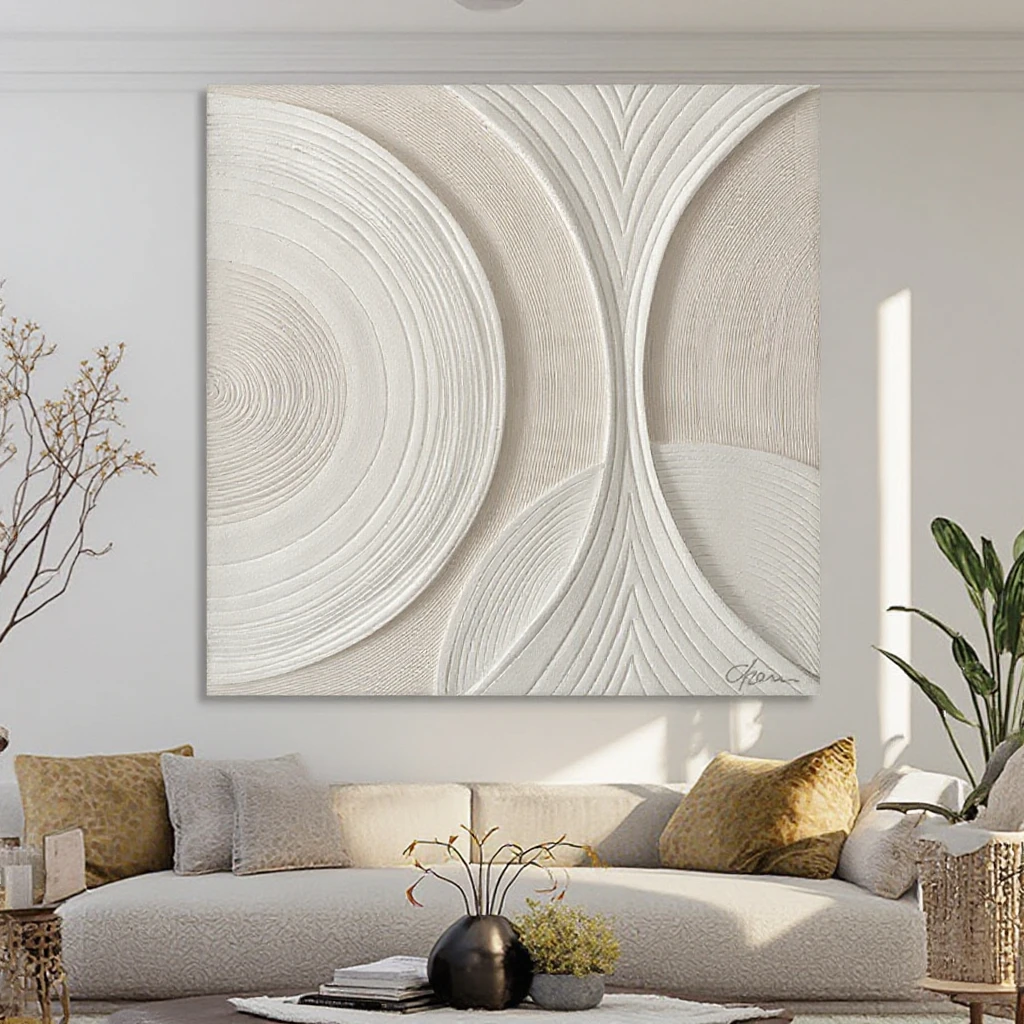
Oil paintings excel in these conditions because they reward slow looking. Prints often flatten under prolonged attention.
The difference is not dramatic — but it is cumulative.
Lighting does not simply illuminate art. It transforms it.
Hospitality lighting differs from residential or gallery settings in several ways:
it is rarely turned off
it shifts throughout the day
it prioritizes ambiance over accuracy
it often blends multiple color temperatures
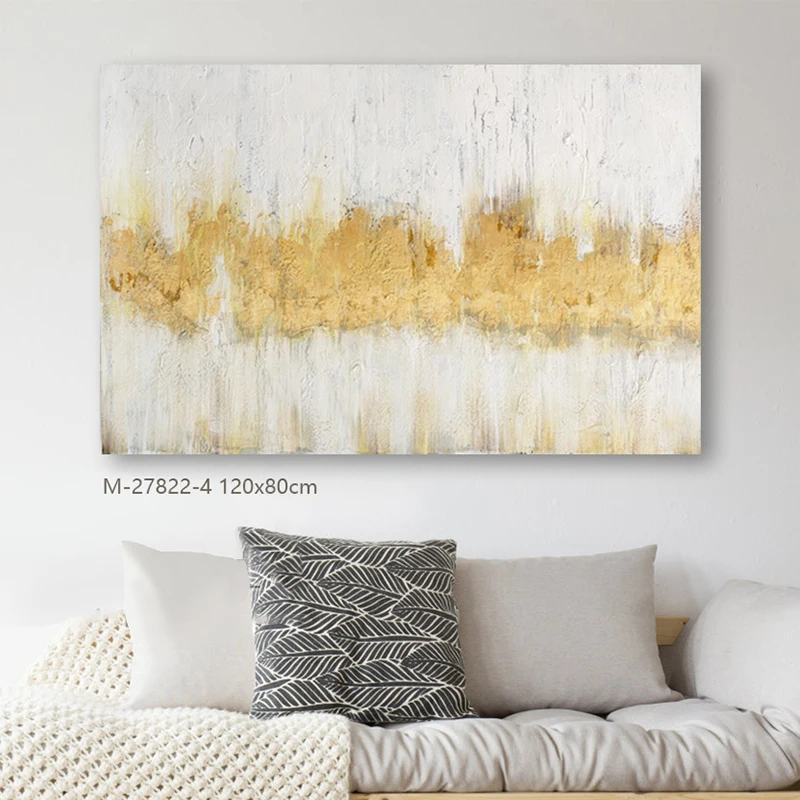
Oil paintings respond dynamically to these changes. Layered pigments catch light unevenly, creating depth even under diffuse illumination.
Prints, by contrast, often reveal glare or color distortion — especially under mixed LED sources.
Many hotels unintentionally overexpose artwork with narrow spotlights. While this creates drama, it can flatten oil paint texture and accelerate aging.
More effective approaches include:
indirect wall washing
wide-beam fixtures
controlled distance between light source and surface
This allows the painting to breathe visually — and age more predictably.
Lighting design should be part of the art conversation, not an afterthought.
Soft furnishings, acoustic panels, carpets, and curtains all absorb sound. They also alter how light behaves in a space.
In acoustically dampened environments:
reflections soften
contrast appears gentler
textures read more clearly
Oil paintings placed in these settings feel warmer and more cohesive. In hard-surfaced spaces, sharper contrasts may be necessary to avoid visual dilution.
This is why the same painting can feel right in one hotel — and oddly misplaced in another.
Environmental factors affect not only perception, but durability.
Hospitality environments expose art to:
constant vibration
air circulation
cleaning chemicals
fluctuating humidity
High-quality oil paintings mitigate these stresses through:
stable canvas structures
lightfast pigments
professional ground layers
protective varnish systems
Buyers who overlook environmental conditions often face premature aging — not because the art was poorly made, but because it was poorly matched to its setting.
From experience, most procurement discussions begin with size and budget. Environmental context enters the conversation late — if at all.
Yet the most successful projects reverse this order. They ask first:
How loud is the space?
How stable is the lighting?
How long do guests remain here?
How much visual attention is realistic?
Only then does style selection make sense.
Art does not exist in silence or neutral light. It is shaped — continuously — by sound, illumination, and spatial behavior.
In hospitality environments, buyers who account for these factors create spaces that feel coherent, comfortable, and durable over time.
Those who don’t may still install beautiful art — but it will never quite feel at ease.
And in hospitality, discomfort is always noticed.
 Hot News
2025-10-20
2025-09-08
2025-09-01
2025-02-01

Discover Free Cloud Arts, where art is more than just visuals—it's an emotional journey. Our innovative designs and unique concepts bring something different to the world of art. Explore our collections of 100% handmade paintings, canvas prints, and layered mat glass art.
No. 2980, Zhufeng Road South, Doumen District, Zhuhai, Guangdong, China, 519170
Copyright © 2026 China Zhuhai Free Cloud Arts Co., Ltd. All rights reserved. Privacy Policy;
 EN
EN