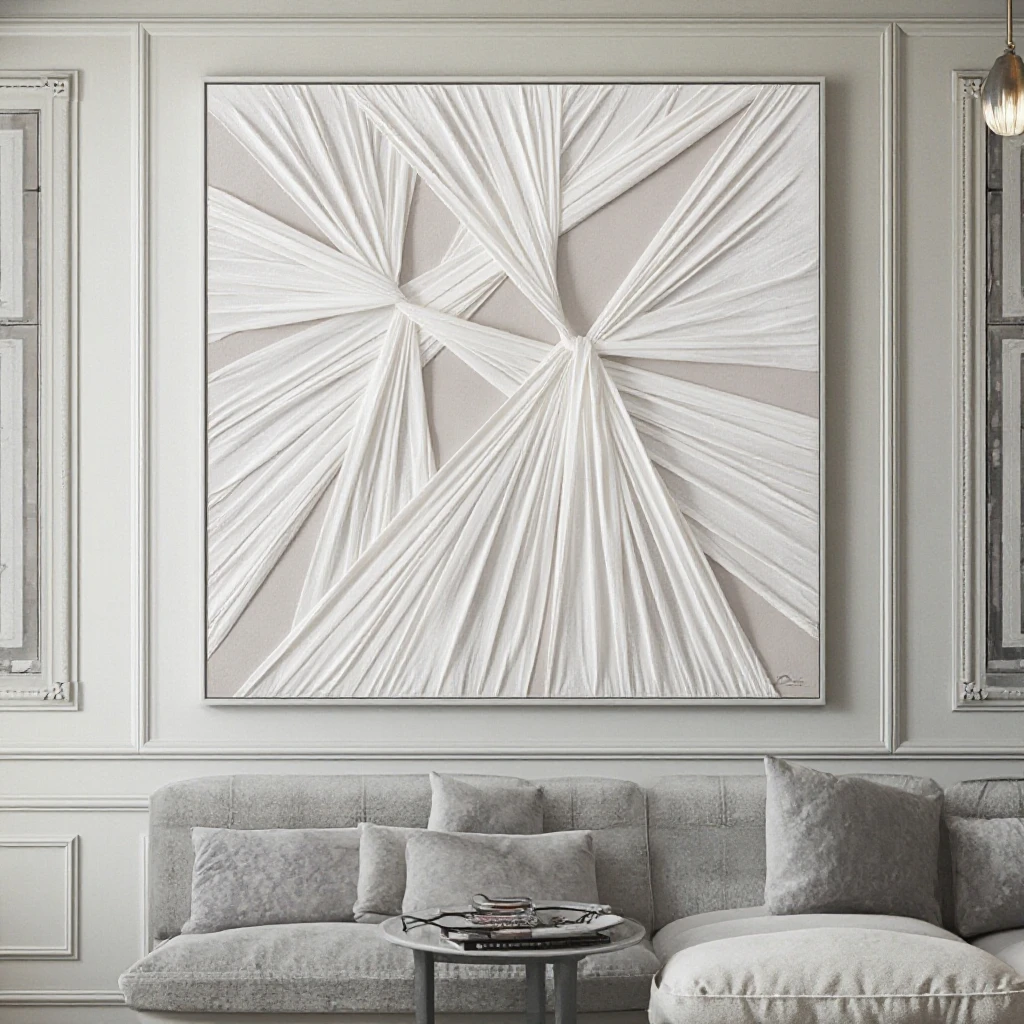
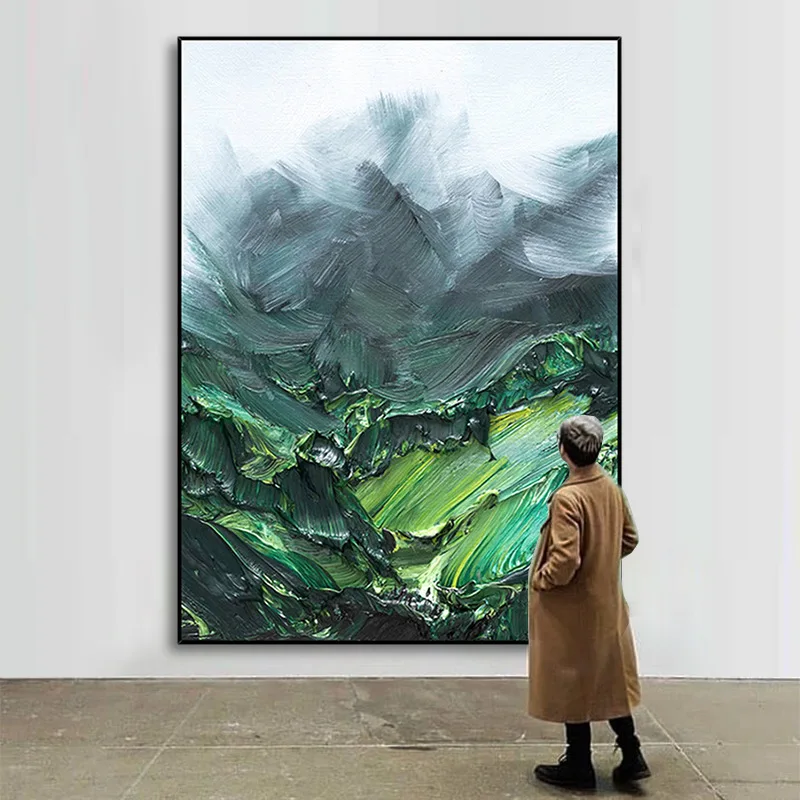
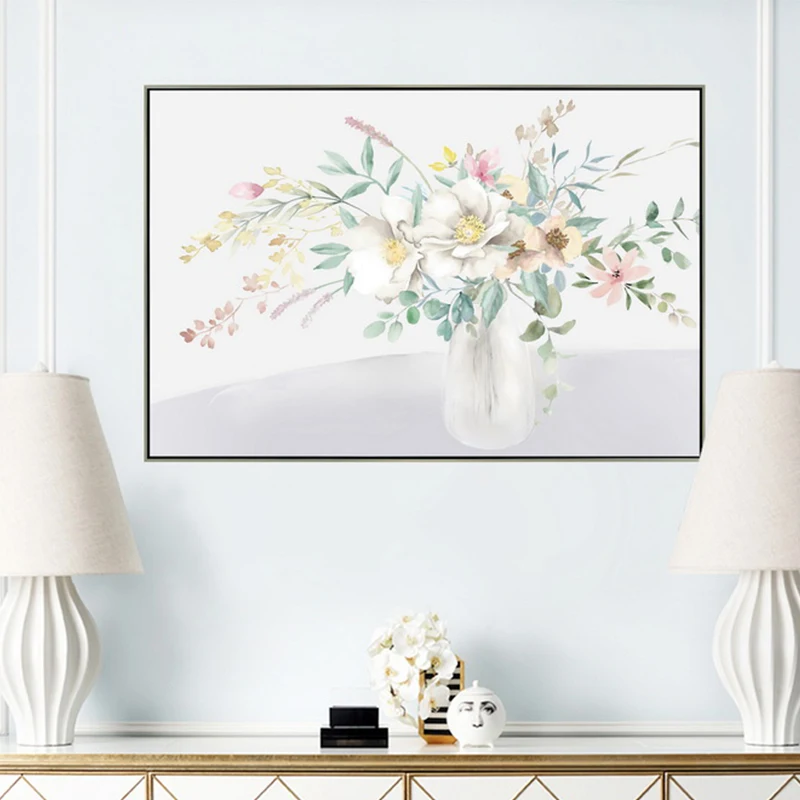
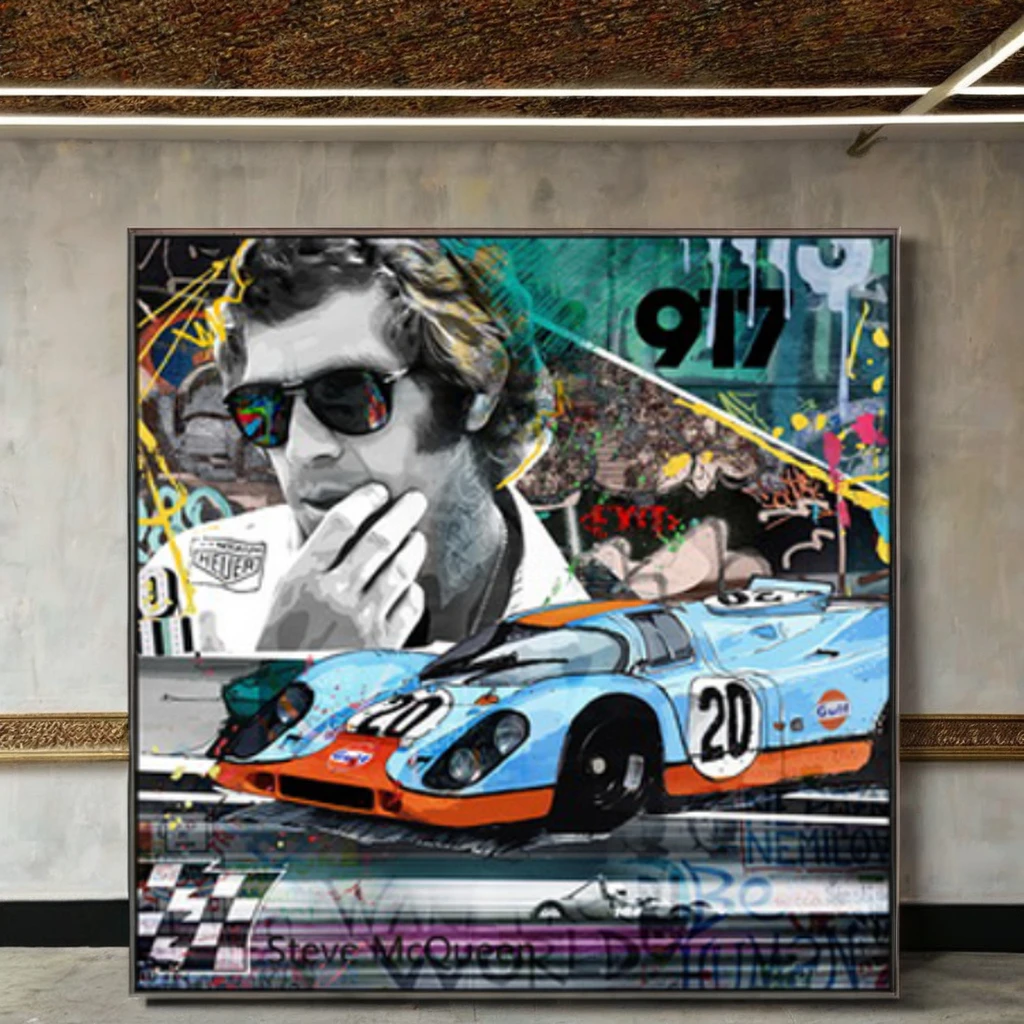
In hospitality design, artwork is expected to perform quietly and consistently. Unlike private collections, hotel art lives under constant exposure: artificial lighting that never switches off, fluctuating humidity from HVAC systems, and daily human traffic that subtly alters microclimates.
This raises a practical question procurement teams often ask too late:
How well will oil paintings age once installed in real hospitality environments?
Understanding oil paint aging is not theoretical. It directly affects long-term appearance, replacement cycles, and brand perception.
Oil paintings do not “dry” in the way water-based media do. They cure through oxidation, a slow chemical reaction between oil binders and oxygen. This process continues for years—sometimes decades.
In controlled museum settings, this gradual curing creates stability. In hospitality environments, however, external conditions influence how gracefully the process unfolds.
Key variables include:
light exposure (especially blue-spectrum LEDs)
ambient humidity swings
temperature stability
air quality and pollutants
substrate tension (canvas stretch quality)
From a material-science perspective, oil paint behaves more like a polymer network under stress than a simple decorative coating.
Not all colors age equally.
In professional oil painting, pigments fall broadly into three stability categories:
Excellent lightfastness (e.g., titanium white, iron oxides, cobalt blues)
Moderate stability (certain organic reds, some violets)
Historically unstable pigments (rarely used today in commercial projects)
High-quality suppliers select pigments based on ASTM lightfastness ratings, not visual intensity alone. This is especially important for hotels with:
floor-to-ceiling windows
coastal or desert locations
high-lux lobby lighting
A painting that looks vibrant on installation day should still read balanced five or ten years later — without yellowing whites or muted blues.
In hospitality spaces, artwork lighting is rarely turned off. This continuous exposure introduces challenges rarely seen in residential interiors.
Warm lighting can soften tones over time. Excessively cool LEDs, on the other hand, may accelerate pigment fatigue in sensitive hues.
From project experience, a few practical observations emerge:
diffuse lighting ages paintings more gently than spotlights
UV-filtered fixtures significantly reduce long-term fading
indirect illumination preserves surface varnish clarity
For procurement teams, collaboration between art suppliers and lighting designers often yields the best long-term results.
Color stability is inseparable from what lies beneath the paint.
Canvas movement — expansion and contraction — introduces microscopic stress into the paint film. Over time, this can lead to:
hairline cracking
localized dullness
uneven surface reflection
Professional-grade oil paintings for hospitality use typically rely on:
tightly woven cotton or linen canvas
multi-layer acrylic gesso ground
controlled tension during stretching
This layered system acts as a buffer, absorbing environmental shifts before they reach the paint surface.
Varnish is often misunderstood as purely aesthetic. In reality, it plays a functional role in hospitality environments.
A properly selected varnish:
protects pigments from airborne pollutants
evens out surface gloss for consistent appearance
allows safe surface cleaning
can be removed and replaced without damaging paint
Modern conservation-grade varnishes are designed to age predictably — a crucial advantage in high-traffic commercial settings.
Hotels are dynamic systems. Doors open constantly. HVAC cycles shift throughout the day. Lighting changes with occupancy patterns.
Compared to galleries:
humidity fluctuations are more frequent
air circulation is more aggressive
cleaning protocols are more intensive
artworks are closer to human interaction
This doesn’t disqualify oil paintings — but it does demand production standards tailored for commercial interiors, not studio-only practices.
In large hospitality projects, aging must be uniform, not just slow.
If 80 corridor paintings age at different rates, visual cohesion suffers. This is why professional suppliers standardize:
pigment sets
canvas types
ground formulations
varnish systems
curing timelines before shipment
Consistency is often more important than absolute material luxury when scaling across properties.
From years of observing oil paintings installed in hotels, one pattern is clear:
Paintings age best when they are engineered, not improvised.
When material decisions are made early — canvas choice, pigment selection, curing time — the artwork settles into the space naturally. Guests don’t notice the aging. That’s the point.
Poor material decisions, by contrast, announce themselves slowly: dulled highlights, uneven color, surfaces that feel tired long before the space itself does.
Oil paintings can age beautifully in hospitality environments — but only when material science meets practical design thinking.
For procurement teams, the question is not whether oil paintings will age, but how predictably and consistently they will do so.
Choosing the right supplier means choosing control over time.
 Hot News
2025-10-20
2025-09-08
2025-09-01
2025-02-01

Discover Free Cloud Arts, where art is more than just visuals—it's an emotional journey. Our innovative designs and unique concepts bring something different to the world of art. Explore our collections of 100% handmade paintings, canvas prints, and layered mat glass art.
No. 2980, Zhufeng Road South, Doumen District, Zhuhai, Guangdong, China, 519170
Copyright © 2026 China Zhuhai Free Cloud Arts Co., Ltd. All rights reserved. Privacy Policy;
 EN
EN